
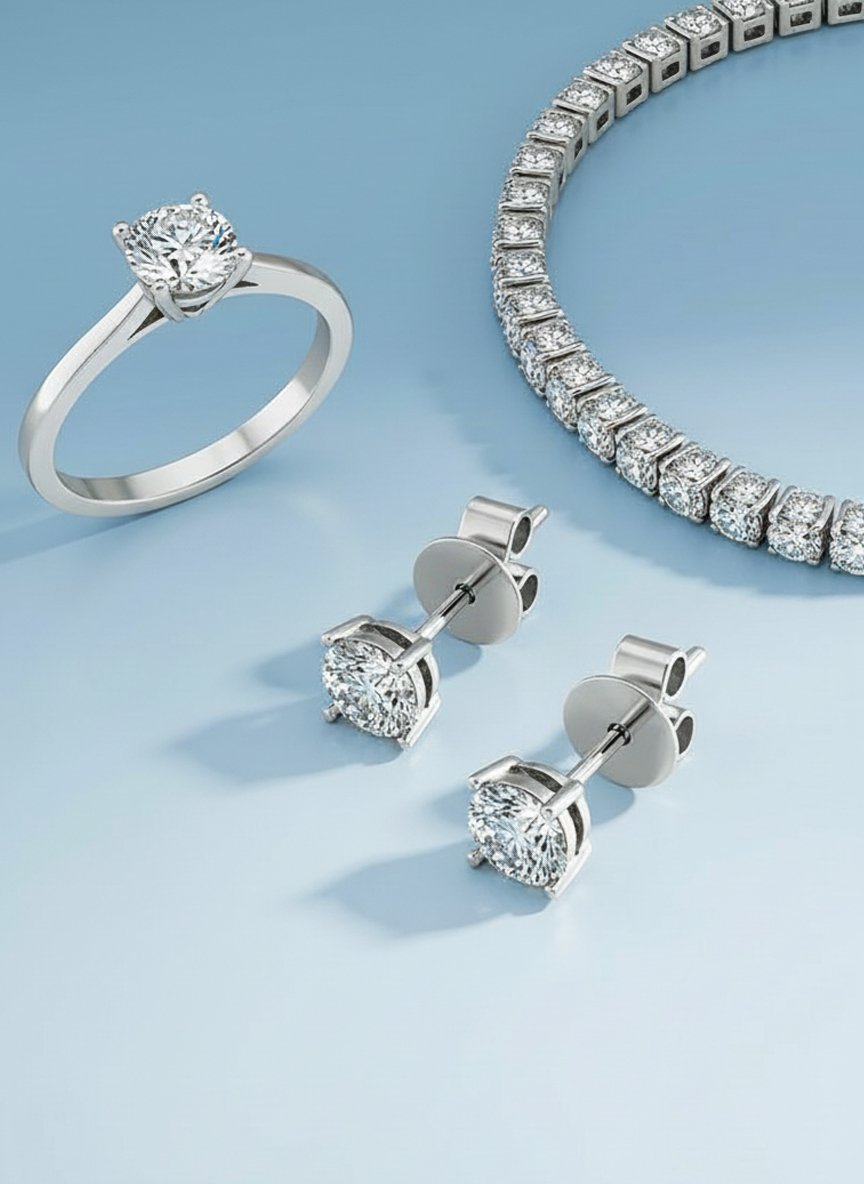
Understanding the Modern Diamond Industry Landscape
The global jewelry industry has undergone a major transformation in recent years, with sustainability, affordability, and ethical sourcing becoming central consumer priorities. At the heart of this shift is the rise of lab grown diamonds, which are chemically and physically identical to mined diamonds but created in controlled laboratory environments.
A Lab Grown Diamonds & Jewelry Company today operates in a highly competitive but rapidly expanding market. Consumers are increasingly aware of environmental concerns and ethical issues linked to traditional diamond mining, which has opened the door for lab-grown alternatives to gain mainstream acceptance.
Unlike mined diamonds, lab-grown diamonds eliminate concerns about conflict sourcing and reduce environmental disruption. This positions any Lab Grown Diamonds & Jewelry Company as part of a forward-thinking, responsible industry that aligns with modern consumer values.
Why Lab Grown Diamonds Are Changing Consumer Behavior
One of the biggest reasons behind the growth of lab-grown diamonds is value. Customers can often purchase larger or higher-quality stones at significantly lower prices compared to mined diamonds. This price advantage allows jewelry brands to attract younger buyers, especially millennials and Gen Z consumers.
A successful Lab Grown Diamonds & Jewelry Company understands that today’s customers are not only buying a product but also a story. They want transparency about origin, production methods, and environmental impact. Lab-grown diamonds offer a clear and ethical narrative that resonates strongly in digital marketplaces and social media-driven branding.
In addition, technological advancements in diamond-growing methods such as Chemical Vapor Deposition (CVD) and High Pressure High Temperature (HPHT) have improved quality and scalability. This has made it easier for businesses to maintain consistency while expanding production capacity.
Establishing a Strong Business Foundation
Building a successful Lab Grown Diamonds & Jewelry Company starts with a solid business foundation. This includes selecting reliable suppliers or setting up in-house manufacturing capabilities. Companies must ensure strict quality control standards to maintain brilliance, clarity, and certification consistency.
Certification from reputable gemological institutes is essential. Customers expect transparency, and third-party grading builds trust and credibility. Without proper certification, even high-quality diamonds may struggle to gain market acceptance.
Another key factor is legal compliance. Jewelry businesses must adhere to international trade laws, labeling regulations, and ethical sourcing guidelines. Misrepresentation of lab-grown diamonds as natural stones can lead to legal issues and reputational damage.
Branding and Market Positioning Strategy
Brand identity plays a crucial role in the success of a Lab Grown Diamonds & Jewelry Company. Unlike traditional diamond brands that rely heavily on heritage and legacy, lab-grown brands often position themselves around innovation, sustainability, and affordability.
A strong brand should clearly communicate its values through storytelling. This includes highlighting ethical sourcing, environmental responsibility, and technological innovation. Packaging, website design, and customer experience should all reinforce the same message.
Digital marketing is especially important in this industry. Social media platforms, influencer collaborations, and educational content help build awareness and trust. Since lab-grown diamonds are still relatively new to some consumers, educating the market is a key growth strategy.
Product Design and Jewelry Innovation
Design innovation is another critical factor for success. A Lab Grown Diamonds & Jewelry Company must go beyond simply offering diamonds and focus on creating unique, desirable jewelry pieces.
Customization is a powerful trend. Many customers prefer personalized engagement rings, necklaces, and earrings that reflect their individual style. Offering customization options helps brands differentiate themselves in a crowded market.
Additionally, blending traditional craftsmanship with modern design aesthetics can elevate brand perception. Minimalist, luxury, and sustainable design themes are particularly popular among younger audiences.
Pricing Strategy and Market Competitiveness
Pricing is one of the strongest advantages of lab-grown diamonds, but it must be strategically managed. A Lab Grown Diamonds & Jewelry Company should avoid competing solely on low prices, as this can devalue the brand.
Instead, businesses should focus on value-based pricing, emphasizing quality, certification, design, and brand experience. Offering tiered product ranges allows companies to appeal to both entry-level buyers and premium customers.
Flexible financing options and installment plans can also increase accessibility and boost conversion rates, especially for engagement and bridal jewelry markets.
Supply Chain and Production Efficiency
Efficient supply chain management is essential for scaling a Lab Grown Diamonds & Jewelry Company. Companies must maintain strong relationships with growers, manufacturers, and polishing units to ensure consistent quality and timely delivery.
Inventory management plays a critical role in reducing costs and avoiding overproduction. Because lab-grown diamonds can be produced on demand, businesses have more flexibility compared to traditional mining-based supply chains.
Automation and digital tracking systems can further enhance efficiency, allowing companies to monitor production stages and maintain quality control across batches.
Marketing and Customer Education
Education is one of the most powerful marketing tools in this industry. Many consumers still do not fully understand the difference between lab-grown and natural diamonds. A successful Lab Grown Diamonds & Jewelry Company invests in content marketing, including blogs, videos, and guides that explain the science and benefits behind lab-grown diamonds.
Search engine optimization (SEO) is also crucial. Ranking for keywords related to lab-grown diamonds, engagement rings, and sustainable jewelry helps attract organic traffic and reduce customer acquisition costs.
Email marketing and loyalty programs help retain customers and encourage repeat purchases, especially for fine jewelry collections beyond engagement rings.
Challenges in the Lab Grown Diamond Industry
Despite strong growth, the industry is not without challenges. One major issue is market perception. Some consumers still perceive lab-grown diamonds as less valuable or less “authentic,” even though they are chemically identical to mined diamonds.
Another challenge is increasing competition. As more companies enter the market, differentiation becomes more difficult. A Lab Grown Diamonds & Jewelry Company must continuously innovate in design, branding, and customer experience to stay ahead.
Price fluctuations and technological advancements can also impact profitability, making long-term planning essential.
Future Opportunities and Industry Growth
The future of the lab-grown diamond industry looks highly promising. As sustainability becomes a global priority, demand for ethical alternatives is expected to grow significantly.
A forward-thinking Lab Grown Diamonds & Jewelry Company can expand into new markets, including luxury fashion collaborations, bridal collections, and even industrial diamond applications.
Advancements in technology will continue to reduce production costs and improve quality, further strengthening the market position of lab-grown diamonds.
Virtual try-on tools, augmented reality shopping experiences, and AI-driven customization are also expected to transform the customer journey in the coming years.
Conclusion
Building a successful Lab Grown Diamonds & Jewelry Company in today’s market requires a combination of innovation, transparency, and strategic branding. The industry is evolving rapidly, and companies that focus on ethical sourcing, strong design identity, and customer education are best positioned for long-term success.
With increasing consumer awareness and technological progress, lab-grown diamonds are no longer just an alternative—they are becoming a mainstream choice. Businesses that adapt quickly and build trust will lead the next generation of the global jewelry industry.