
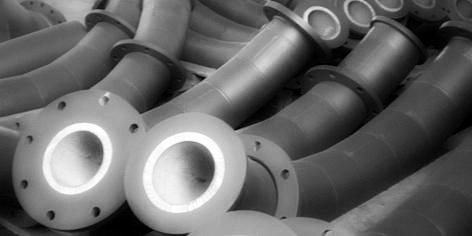
Industrial environments expose equipment, machinery, and structural components to demanding operating conditions every day. Constant friction, impact, abrasion, heat, pressure, and contact with aggressive materials can gradually damage surfaces and reduce the useful life of critical components. For businesses that depend on reliable equipment performance, controlling industrial wear is essential for maintaining productivity, reducing maintenance costs, and avoiding unexpected downtime. This is where westtop wear materials can provide an important solution by supporting durable surface protection and improved resistance against demanding industrial conditions.
Understanding Industrial Wear and Its Impact
Industrial wear occurs when material is gradually removed or damaged because of mechanical contact or environmental conditions. Abrasive wear happens when hard particles or rough surfaces scrape against equipment. Adhesive wear can develop when two surfaces move against each other under pressure. Impact wear occurs when machinery repeatedly encounters heavy materials or sudden forces, while erosion may result from high-speed particles, liquids, or gases striking a surface.
These forms of wear can affect conveyors, chutes, hoppers, mining equipment, processing machinery, pipelines, and many other industrial assets. As wear increases, components may lose their original dimensions and performance characteristics. Excessive surface damage can also create alignment problems, reduce operational efficiency, and increase the frequency of replacement.
Choosing suitable wear-resistant materials therefore becomes an important part of industrial equipment design and maintenance. Instead of allowing valuable machinery surfaces to deteriorate rapidly, companies can use specialized protective materials designed to withstand specific types of mechanical stress.
The Role of Westtop Wear Materials in Industrial Protection
Westtop wear materials are designed around the need for dependable protection in applications where ordinary materials may not provide sufficient durability. Their value comes from helping industrial components withstand repeated contact, friction, impact, and abrasive forces.
A suitable wear material can act as a protective layer between the working environment and the underlying equipment. This protective approach helps preserve the base structure while allowing the surface material to absorb much of the mechanical stress. Depending on the application, materials may be selected for hardness, toughness, impact resistance, abrasion resistance, temperature tolerance, or a combination of these characteristics.
The right balance is particularly important. Extremely hard materials may resist abrasion effectively but could be less suitable for applications involving severe impact. Conversely, materials with greater toughness can better absorb impact but may require additional properties for highly abrasive environments. Proper material selection considers the actual operating conditions rather than relying on a single performance characteristic.
Improving Equipment Service Life
One of the most important benefits of effective wear protection is the potential to extend equipment service life. Industrial machinery represents a significant investment, and replacing major components frequently can place considerable pressure on operating budgets.
When protective wear materials are applied to areas that experience repeated damage, the underlying equipment can remain functional for longer periods. This can reduce the rate at which components need to be repaired or replaced. Over time, improved durability can contribute to more predictable maintenance planning and better utilization of capital equipment.
For example, surfaces inside material-handling systems may experience continuous contact with abrasive substances. Without adequate protection, these surfaces can become progressively thinner and weaker. A properly selected wear-resistant solution can help minimize surface degradation and maintain the structural integrity of the equipment.
Supporting More Reliable Industrial Operations
Reliability is essential in industries where equipment operates continuously or where downtime can interrupt an entire production process. Unexpected wear-related failures can lead to emergency maintenance, production delays, labor costs, and lost output.
Westtop wear materials can support reliability by helping vulnerable surfaces withstand demanding operating conditions. When wear-prone areas are protected appropriately, maintenance teams may be able to plan inspections and replacements more effectively instead of responding to sudden failures.
Reliable wear protection is particularly valuable in applications where equipment operates under heavy loads or difficult environmental conditions. Consistent surface performance can help machinery continue performing its intended function while reducing the effects of repeated mechanical stress.
Reducing Maintenance and Replacement Costs
Maintenance expenses involve more than the price of replacement components. Businesses may also need to account for labor, equipment shutdowns, transportation, installation, inspections, and lost production. Frequent wear can therefore create costs that extend well beyond the damaged surface itself.
Durable wear materials can help reduce these expenses by slowing the progression of surface damage. When components last longer, maintenance intervals may become more manageable, and businesses can potentially reduce the number of emergency repairs required during production.
This does not mean wear-resistant materials eliminate maintenance completely. Regular inspections remain essential because every industrial application has different operating conditions. Instead, effective wear protection helps maintenance programs become more controlled and predictable.
Choosing Materials for Specific Applications
Industrial wear varies significantly from one application to another. A material-handling system carrying coarse minerals may require different protection than machinery processing fine powders. Equipment exposed to high temperatures may have different requirements from components operating in wet or chemically challenging environments.
Material selection should therefore consider factors such as the type of wear, particle size, impact intensity, operating temperature, material flow rate, pressure, contact frequency, and equipment geometry. Installation requirements and expected maintenance schedules can also influence the final selection.
Westtop wear materials can be considered as part of an application-specific approach in which protection is matched to the actual demands placed on the equipment. This helps businesses avoid selecting materials based solely on general hardness or price and instead focus on overall performance and service requirements.
Enhancing Productivity Through Better Wear Management
Productivity depends heavily on equipment availability and consistent performance. When wear becomes severe, machinery may operate less efficiently or require repeated shutdowns for repairs. Even relatively small problems can become significant when they occur across a large production system.
Effective wear management helps companies address vulnerable areas before damage becomes severe. Protective materials can contribute to smoother operation by maintaining critical surfaces and reducing the effects of abrasive or impact-related deterioration.
In high-volume industries, these improvements can have a meaningful operational impact. Longer service intervals and fewer unexpected interruptions allow production teams to focus more consistently on their core processes.
Supporting Different Industrial Environments
Wear protection is relevant across many industries, including mining, construction, cement production, recycling, power generation, material handling, manufacturing, and processing. Each sector presents its own combination of mechanical and environmental challenges.
Mining operations, for example, can expose equipment to hard and abrasive materials. Recycling facilities may encounter mixed materials and repeated impacts. Manufacturing systems can experience continuous friction between moving components. Processing facilities may require protection against combinations of abrasion, temperature, moisture, and chemical exposure.
Because these environments differ substantially, dependable wear protection requires careful consideration of operating conditions. The objective is to create a practical barrier against the specific forces responsible for premature surface deterioration.
The Long-Term Value of Reliable Wear Protection
Industrial wear cannot always be avoided, but its effects can often be managed through appropriate engineering and material selection. Investing in suitable wear-resistant solutions can provide benefits that extend beyond immediate surface protection.
Westtop wear materials can support a broader strategy focused on equipment durability, operational reliability, maintenance efficiency, and long-term cost management. By protecting high-wear areas, businesses can work toward extending component life and reducing the disruption associated with frequent repairs.
Ultimately, reliable industrial wear protection is about maintaining performance under real working conditions. When materials are selected according to the type and severity of wear, installed correctly, and supported by regular inspections, they can help industrial equipment withstand demanding environments for longer periods. This makes advanced wear-resistant materials an important consideration for companies seeking dependable machinery performance, improved maintenance planning, and more efficient industrial operations.