
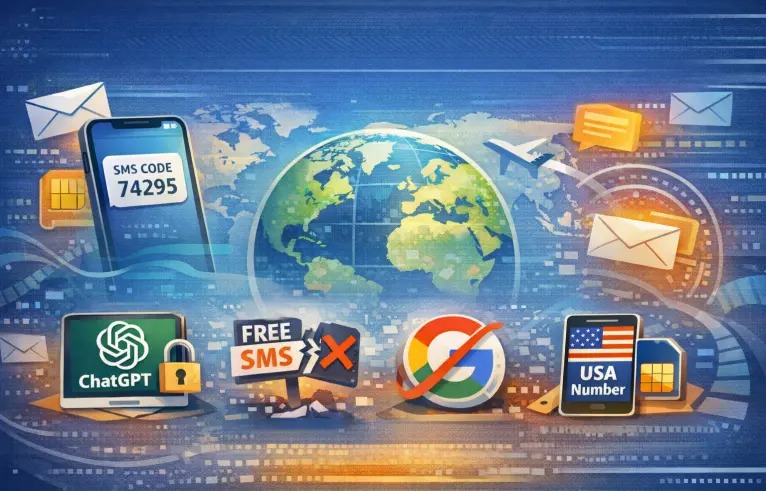
International SMS receiving code is a service that allows users to receive text messages from different countries using virtual or temporary phone numbers. These codes are commonly used for online verification, account registration, and accessing services that require a phone number but may not be available in the user’s own country. In today’s digital world, this system has become increasingly important for privacy, global access, and convenience.
The concept is widely used in areas such as social media sign-ups, e-commerce platforms, app testing, and cross-border communication. One of the most commonly searched terms related to this service is 国外短信接码, which refers to overseas SMS receiving codes, especially used in Chinese-speaking regions for accessing international platforms.
How International SMS Receiving Code Works
International SMS receiving codes function through virtual number systems. These systems provide users with temporary or shared phone numbers that are capable of receiving SMS messages from international services.
Virtual Number Allocation
When a user requests a number from an SMS receiving platform, the system assigns a virtual number from a pool of available numbers. These numbers are often based in different countries such as the United States, United Kingdom, Canada, or European nations.
Message Reception Process
Once the virtual number is used to register on a website or app, any SMS verification code sent to that number is captured by the service provider’s system. The message is then displayed on the platform’s dashboard or interface for the user to access.
Temporary vs Permanent Numbers
Some services offer temporary numbers that expire after a short time, while others provide longer-term or reusable numbers. Temporary numbers are commonly used for one-time verification, whereas permanent ones are used for ongoing accounts.
Why International SMS Receiving Codes Are Important
International SMS receiving codes serve several important purposes in the modern digital ecosystem.
Privacy Protection
Many users prefer not to share their personal phone numbers when signing up for online services. Using virtual SMS receiving codes helps protect privacy and reduces spam or unwanted marketing messages.
Access to Global Platforms
Some websites and applications require phone numbers from specific countries. Users who do not have access to those numbers can use international SMS receiving services to complete registration. This is especially useful for platforms that are region-restricted.
Testing and Development
Developers often use SMS receiving codes to test applications that require phone verification. It allows them to simulate user behavior without needing multiple physical SIM cards.
Cost Efficiency
Instead of purchasing multiple international SIM cards, users can rely on virtual SMS services at a lower cost, making it a budget-friendly solution for global communication needs.
Common Use Cases of International SMS Receiving Codes
International SMS receiving codes are used in various industries and scenarios.
Social Media Registration
Platforms like messaging apps and social networks often require phone verification. Users who want to maintain anonymity or access multiple accounts may use these services.
E-Commerce Platforms
Online marketplaces sometimes require phone verification for account creation or order confirmation. International SMS receiving codes help users bypass regional limitations.
Gaming Accounts
Many online games require SMS verification to prevent fraud. Players use virtual numbers to create multiple accounts or access region-locked games.
Cryptocurrency Platforms
Crypto exchanges often require phone verification for security purposes. International SMS receiving codes help users register without exposing personal contact information.
Advantages of Using International SMS Receiving Codes
There are several benefits associated with using these services.
Easy Accessibility
Users can access virtual numbers instantly without needing physical SIM cards or contracts.
Global Coverage
These services provide numbers from multiple countries, making them suitable for international use.
Fast Verification
SMS messages are usually received within seconds, ensuring quick account activation.
Anonymity
Users can maintain privacy by avoiding the use of personal phone numbers during online registrations.
Limitations and Risks
While international SMS receiving codes are useful, they also come with certain limitations.
Security Concerns
Since some numbers are shared among multiple users, there is a risk that sensitive messages could be accessed by others.
Service Restrictions
Some platforms detect and block virtual numbers, making it impossible to complete verification.
Temporary Access
Many numbers are short-term, meaning users may lose access to their accounts if they need re-verification later.
Reliability Issues
Message delivery may sometimes be delayed or fail depending on the service provider.
Role of 国外短信接码 in Modern Digital Usage
The term 国外短信接码 refers specifically to overseas SMS receiving code services. These services are widely used in regions where users need access to international platforms but face restrictions due to local telecom limitations or privacy concerns.
In China and other regions, users often rely on 国外短信接码 platforms to register on global websites, test applications, or maintain anonymity online. This has created a large demand for reliable and fast virtual SMS receiving systems.
How to Choose a Reliable SMS Receiving Service
Selecting the right provider is essential for security and performance.
Check Country Coverage
A good service should offer numbers from multiple countries to ensure compatibility with different platforms.
Evaluate Speed and Reliability
Fast message delivery is crucial, especially for time-sensitive verifications.
Privacy Policy
Users should ensure the provider does not store or misuse personal data.
Reputation and Reviews
Choosing a well-reviewed platform reduces the risk of failed verifications or scams.
Future of International SMS Receiving Technology
The demand for virtual SMS services is expected to grow as more online platforms require phone verification. Advances in cloud communication and virtual number technology will make these services more secure, faster, and widely accessible.
Artificial intelligence and automation may also improve message filtering, reduce spam, and enhance user experience. However, stricter regulations from online platforms may also limit the use of disposable numbers in the future.
Conclusion
International SMS receiving codes have become an essential tool in today’s digital world. They provide users with privacy, flexibility, and global access to online services. Whether used for social media registration, app testing, or accessing region-restricted platforms, these services offer a practical solution for modern communication challenges.
The growing popularity of 国外短信接码 highlights the global need for secure and flexible verification systems. While there are some limitations and risks, the advantages continue to make these services highly valuable for individuals and businesses operating in an increasingly connected world.