
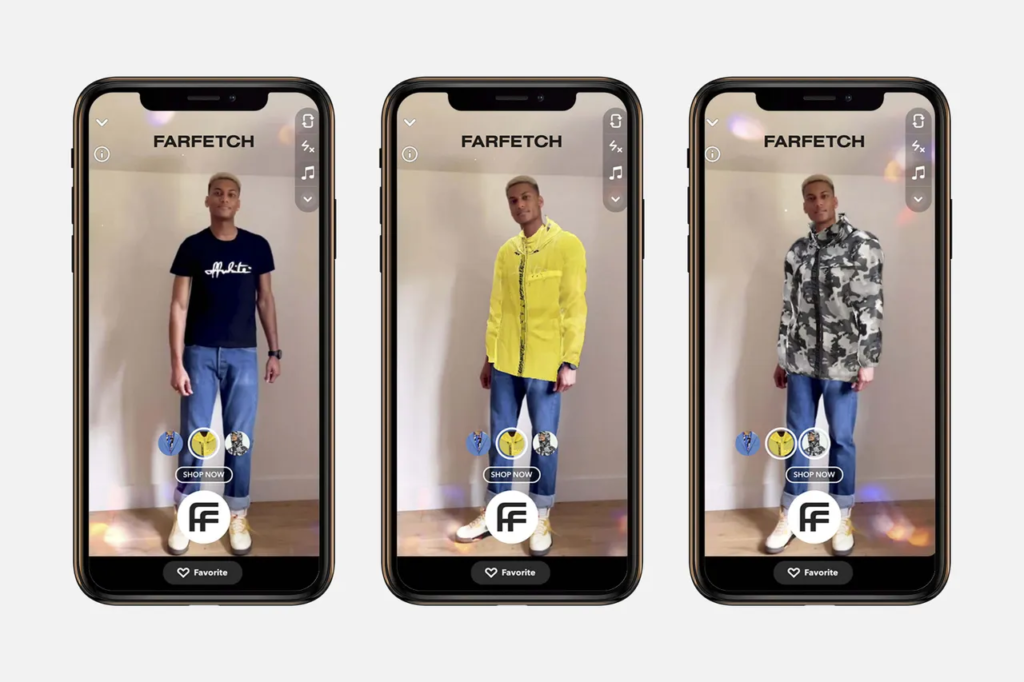
Online shopping has revolutionized the way consumers purchase products, offering convenience, variety, and accessibility from virtually anywhere. However, one major challenge has persisted since the rise of eCommerce: customers cannot physically try products before making a purchase. This limitation often leads to uncertainty, abandoned carts, and high return rates. Fortunately, virtual try on technology is changing the landscape of digital retail by bridging the gap between online and in-store shopping experiences.
Today, businesses across industries such as fashion, beauty, eyewear, footwear, and accessories are increasingly adopting virtual try on solutions to enhance customer engagement and improve purchasing confidence. As technology continues to evolve, it is reshaping consumer expectations and setting new standards for online shopping.
Understanding Virtual Try On Technology
Virtual try on technology uses advanced tools such as augmented reality (AR), artificial intelligence (AI), computer vision, and 3D modeling to allow shoppers to visualize products on themselves digitally. Customers can use their smartphone, tablet, or computer camera to see how clothing, makeup, glasses, jewelry, or shoes would look in real time.
By overlaying digital images onto live video feeds or uploaded photographs, virtual try on systems create realistic simulations that closely mimic the experience of trying products in a physical store.
The Growing Importance of Virtual Try On in eCommerce
Consumer behavior has changed significantly over the past decade. Shoppers now expect personalized, interactive, and seamless online experiences. Traditional product images and size charts are no longer sufficient for many buyers.
The implementation of virtual try on technology addresses several common pain points, including:
Reducing Purchase Uncertainty
One of the biggest obstacles in online shopping is uncertainty about product appearance and fit. Customers often hesitate because they cannot determine whether an item will suit them.
With virtual try on, shoppers gain a realistic preview, enabling them to make more informed purchasing decisions. This increased confidence often leads to higher conversion rates.
Lowering Product Return Rates
Returns are costly for retailers and frustrating for consumers. Incorrect sizing, unexpected colors, or unsuitable styles frequently contribute to product returns.
By allowing customers to evaluate products beforehand, virtual try on significantly reduces the likelihood of dissatisfaction after purchase, thereby minimizing returns and associated operational costs.
Increasing Customer Engagement
Interactive shopping experiences naturally capture consumer attention. Shoppers spend more time exploring products when they can experiment with different styles, colors, and designs.
Retailers using virtual try on tools often experience longer session durations, higher engagement levels, and increased customer loyalty.
Industries Benefiting from Virtual Try On Technology
Multiple sectors have embraced virtual try on solutions to improve customer experiences and boost sales.
Fashion and Apparel
Fashion retailers are among the largest adopters of virtual try on technology. Customers can digitally try dresses, shirts, jackets, and other garments to assess style, fit, and overall appearance.
Advanced AI-powered systems can even recommend appropriate sizes based on body measurements and previous purchase history, creating highly personalized shopping experiences.
Beauty and Cosmetics
The beauty industry has witnessed remarkable success with virtual try on applications. Consumers can test lipstick shades, foundation tones, eyeshadow colors, and other cosmetic products instantly through smartphone cameras.
This capability eliminates guesswork and encourages customers to explore a broader range of products without visiting physical stores.
Eyewear Industry
Purchasing glasses online was once challenging because customers struggled to determine frame suitability. Today, virtual try on technology allows shoppers to see how various frames complement their facial features.
Users can compare multiple styles side by side, making eyewear shopping faster and more enjoyable.
Jewelry and Accessories
Jewelry retailers now offer virtual try on features for rings, necklaces, earrings, and watches. Customers can preview products from different angles and determine whether specific pieces match their personal style.
This enhanced visualization helps increase buyer confidence and drives purchasing decisions.
Footwear Retail
Many footwear brands have integrated virtual try on technology to help shoppers visualize shoes on their feet. Combined with AI-driven sizing recommendations, these tools reduce sizing errors and improve customer satisfaction.
Technologies Powering Virtual Try On Experiences
Several innovative technologies work together to deliver realistic and effective virtual try on experiences.
Augmented Reality
Augmented reality forms the foundation of most virtual try on systems. AR overlays digital objects onto real-world environments, allowing customers to see products in real time through their device cameras.
Artificial Intelligence
Artificial intelligence enhances personalization by analyzing facial features, body shapes, skin tones, and customer preferences. AI algorithms ensure that virtual try on simulations remain accurate and tailored to individual users.
Computer Vision
Computer vision technology enables devices to recognize facial landmarks, body positions, and movements. This capability ensures that digital products align naturally with users as they move.
3D Modeling
Highly detailed 3D models create realistic representations of products. Accurate textures, lighting effects, and dimensions make virtual try on experiences more immersive and trustworthy.
Business Advantages of Implementing Virtual Try On
Retailers adopting virtual try on solutions enjoy numerous business benefits beyond customer satisfaction.
Improved Conversion Rates
Customers who interact with virtual try on tools are often more likely to complete purchases. The ability to visualize products reduces hesitation and accelerates decision-making.
Enhanced Brand Differentiation
In today’s competitive eCommerce market, delivering innovative shopping experiences helps brands stand out. Offering virtual try on capabilities demonstrates technological leadership and customer-centricity.
Greater Customer Loyalty
Positive shopping experiences encourage repeat purchases. Consumers appreciate convenience and personalization, making them more likely to return to retailers that offer engaging virtual try on features.
Valuable Consumer Insights
Retailers can gather useful data regarding customer preferences, popular styles, frequently tested products, and shopping behaviors. These insights support better inventory management and marketing strategies.
Challenges Facing Virtual Try On Adoption
Despite its advantages, virtual try on technology still faces certain challenges.
Accuracy Limitations
Although technology continues to improve, some simulations may not perfectly replicate actual product fit, texture, or color. Ensuring accuracy remains a priority for developers.
Implementation Costs
Developing sophisticated virtual try on platforms requires investment in software, 3D modeling, AI infrastructure, and ongoing maintenance. Smaller retailers may face budget constraints.
Privacy Concerns
Because many virtual try on applications rely on cameras and facial recognition technologies, businesses must prioritize data security and transparency to maintain consumer trust.
The Future of Virtual Try On Technology
The future of virtual try on technology looks exceptionally promising. Continued advancements in artificial intelligence, augmented reality, and machine learning will make digital fitting experiences increasingly realistic and personalized.
Future innovations may include full-body scanning, hyper-realistic avatars, virtual shopping assistants, and immersive shopping environments within the metaverse. As these technologies mature, online shopping experiences will become even more interactive and closely resemble physical retail environments.
Conclusion
The rise of virtual try on technology is fundamentally transforming online shopping experiences. By reducing uncertainty, lowering return rates, enhancing engagement, and improving customer satisfaction, this technology is helping retailers overcome longstanding eCommerce challenges.
As consumer expectations continue to evolve, businesses that embrace virtual try on solutions will be better positioned to compete in the digital marketplace. The integration of AR, AI, and computer vision is not merely a trend—it represents the future of online retail.