
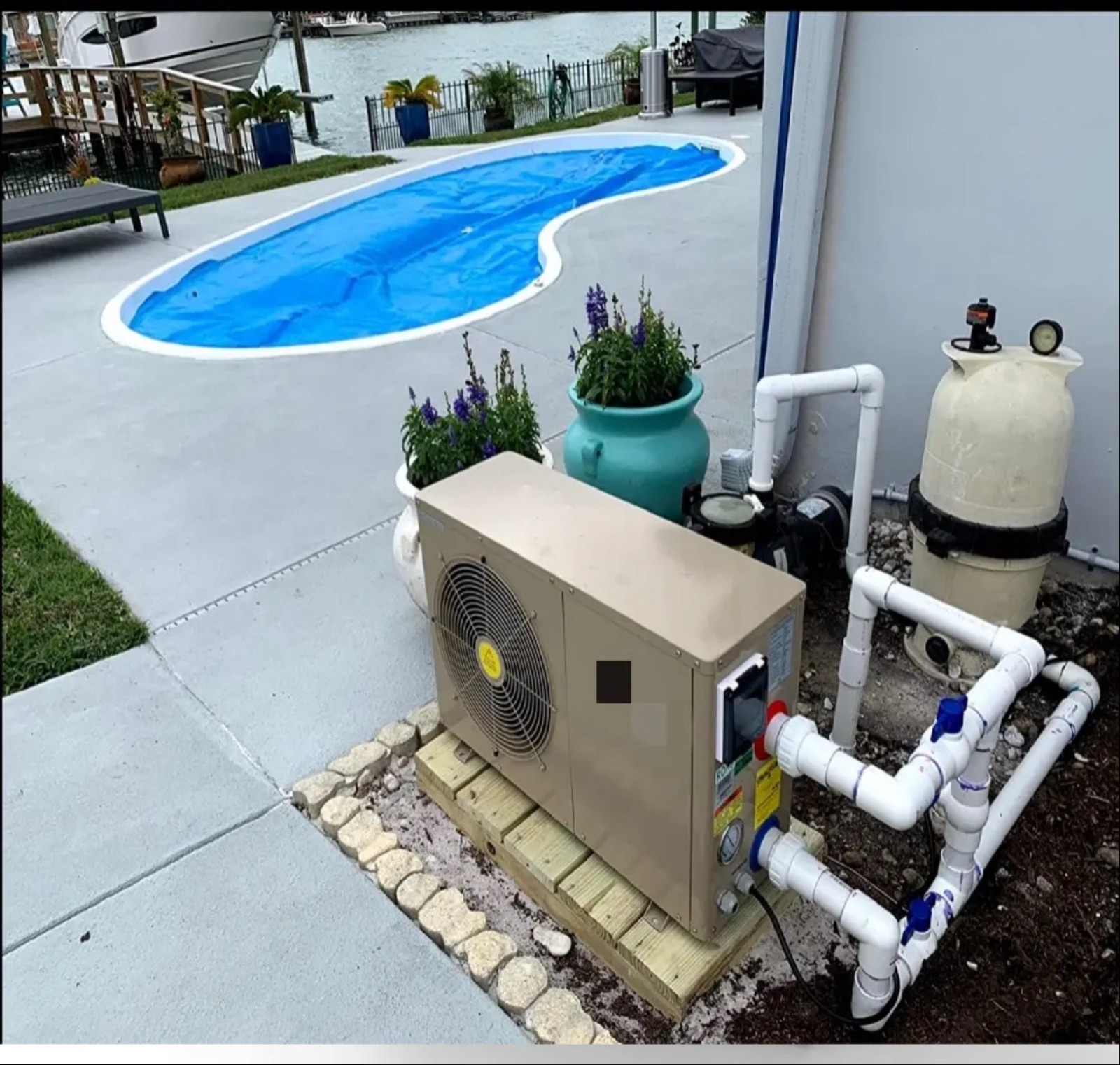
Swimming pools are no longer just seasonal luxuries—they are year-round relaxation spaces thanks to modern heating technology. Among all heating solutions available today, swimming pool heat pumps have become the most energy-efficient, cost-effective, and environmentally friendly option. In 2026, advancements in inverter technology, smart controls, and high-COP systems have made them even more powerful and accessible for residential and commercial pool owners.
This article explores the best swimming pool heat pumps in 2026, how they work, what features matter most, and how to choose the right model for your pool.
What Are Swimming Pool Heat Pumps?
Swimming pool heat pumps are devices that do not generate heat directly. Instead, they extract heat from the surrounding air and transfer it into pool water using a refrigeration cycle. This makes them significantly more efficient than gas or electric resistance heaters.
Modern systems can deliver high energy efficiency, with some models producing 5–7 times more heat energy than the electricity they consume under ideal conditions.
They work continuously by maintaining a set temperature, turning on only when the water drops below your preferred level.
Why Swimming Pool Heat Pumps Are Dominating 2026
The popularity of swimming pool heat pumps in 2026 is driven by rising energy costs and environmental awareness. Homeowners now prefer systems that reduce electricity usage while still offering reliable heating.
Key benefits include:
- Energy efficiency up to 70% lower operating cost compared to traditional heaters
- Eco-friendly operation with reduced carbon emissions
- Quiet performance, especially inverter models
- Long lifespan with proper maintenance (often 10–15+ years)
- Year-round usability in mild to moderate climates
Air-source models remain the most common due to their easier installation and lower upfront cost.
Key Features to Look for in 2026 Models
Choosing the right unit requires more than just picking the biggest or cheapest option. Modern swimming pool heat pumps vary significantly in performance and technology.
Inverter Technology vs Standard Systems
Inverter heat pumps adjust compressor speed based on demand, making them quieter and more energy efficient. Standard systems operate in full on/off cycles, which can increase energy consumption.
COP (Coefficient of Performance)
COP measures efficiency—how much heat output you get per unit of electricity. In 2026, high-quality models typically achieve COP ratings above 5, meaning excellent efficiency performance.
BTU Capacity
The size of your pool determines the required BTU output. Larger pools require higher BTU ratings to maintain consistent heating, especially in cooler climates.
Durability & Heat Exchanger Material
Titanium heat exchangers are preferred because they resist corrosion from chlorine and saltwater pools.
Smart Controls
WiFi-enabled systems allow remote temperature adjustments, scheduling, and energy monitoring.
Best Swimming Pool Heat Pumps in 2026
Here are the most recommended categories and standout models in 2026 based on efficiency, performance, and reliability trends.
Best Overall Performance Models
Top-tier swimming pool heat pumps in 2026 focus on balancing efficiency, noise reduction, and durability. Many leading units now combine inverter compressors with titanium heat exchangers for maximum lifespan and performance.
These models are ideal for homeowners who want reliable year-round heating without high electricity bills.
Best Energy-Efficient Heat Pumps
Energy-saving models are designed for long-term cost reduction. They use advanced inverter systems that automatically adjust output based on weather conditions and pool temperature needs.
These are ideal for users who prioritize monthly savings over initial cost.
Best Budget Swimming Pool Heat Pumps
Budget-friendly systems have improved significantly in 2026, offering solid performance for small to medium pools. While they may lack advanced smart features, they still provide reliable heating for seasonal use.
Best Cold Climate Heat Pumps
Cold-climate models are engineered to operate efficiently even when outdoor temperatures drop. These units use enhanced compressors and defrost cycles to maintain performance in cooler environments.
They are ideal for extended swimming seasons or regions with colder nights.
How Swimming Pool Heat Pumps Work in Real Conditions
In practice, swimming pool heat pumps rely heavily on ambient air temperature. When the air is warmer, they operate at peak efficiency. However, performance decreases in colder weather, which is why sizing and climate considerations are essential.
The system pulls in air, extracts heat energy, compresses it, and transfers it to the pool water through a heat exchanger. The process is continuous and automated, ensuring stable water temperature with minimal user input.
Installation and Maintenance Tips
Proper installation is just as important as choosing the right model.
- Install in an open, ventilated space for proper airflow
- Keep it near the pool pump to reduce heat loss in piping
- Use a pool cover to reduce evaporation heat loss
- Maintain balanced water chemistry to protect internal components
- Clean air filters regularly to ensure efficiency
Good maintenance can significantly extend the life of swimming pool heat pumps and improve efficiency.
Common Mistakes to Avoid
Many pool owners make avoidable mistakes when buying or installing heat pumps:
- Choosing a unit that is too small for pool size
- Ignoring climate conditions
- Not using a pool cover (major heat loss factor)
- Installing in enclosed or poorly ventilated spaces
- Focusing only on price instead of efficiency
Avoiding these mistakes ensures better performance and lower long-term costs.
Future Trends in Swimming Pool Heat Pumps
The 2026 market is shifting toward smarter and greener technology. Key trends include:
- AI-based temperature optimization
- Higher COP ratings for reduced energy consumption
- Ultra-quiet inverter compressors
- Integration with smart home systems
- Improved cold-weather efficiency
These advancements are making swimming pool heat pumps more efficient and user-friendly than ever before.
Conclusion
In 2026, swimming pool heat pumps remain the most efficient and practical solution for heating pools of all sizes. With improvements in inverter technology, energy efficiency, and smart controls, they provide long-term savings while maintaining consistent comfort.
Whether you are upgrading an old system or installing a new pool heater, investing in high-quality swimming pool heat pumps ensures better performance, lower energy costs, and a longer swimming season.