
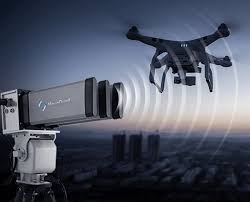
Introduction to Anti Drone Jammer Technology
The rapid rise of unmanned aerial vehicles (UAVs), commonly known as drones, has transformed industries ranging from photography to logistics. However, this widespread adoption has also introduced new security challenges. From unauthorized surveillance to potential attacks on critical infrastructure, drones pose serious risks. This is where anti drone jammer technology plays a crucial role. An anti drone jammer is designed to disrupt the communication between a drone and its operator, effectively neutralizing potential threats. As drone technology becomes more advanced, the evolution of anti drone jammer systems has become essential to stay ahead of modern threats.
The Growing Need for Anti Drone Jammer Systems
In recent years, drones have been increasingly used in both civilian and military contexts. While they offer convenience and efficiency, they can also be misused for illegal activities such as smuggling, spying, and even terrorism. Airports, government facilities, and public events are particularly vulnerable to drone-related threats.
An anti drone jammer provides a proactive defense mechanism by interfering with the radio frequencies that drones rely on for navigation and control. As the number of drone incidents continues to rise, the demand for more sophisticated anti drone jammer solutions has surged. This has driven innovation in the field, leading to smarter and more adaptable technologies.
How Anti Drone Jammer Technology Works
At its core, an anti drone jammer operates by emitting signals that overpower the communication frequencies between the drone and its controller. Most drones rely on GPS and radio frequencies such as 2.4 GHz or 5.8 GHz. When these signals are disrupted, the drone may either return to its home location, land immediately, or lose control entirely.
Modern anti drone jammer systems are no longer limited to simple signal blocking. They now incorporate advanced detection capabilities that can identify the type of drone, its location, and its flight path. This allows for targeted jamming, minimizing interference with other communication systems.
Additionally, some systems integrate artificial intelligence to analyze drone behavior in real time. This ensures that the anti drone jammer responds quickly and effectively to potential threats.
Evolution of Anti Drone Jammer Capabilities
The evolution of anti drone jammer technology has been driven by the increasing sophistication of drones themselves. Early jammers were bulky and lacked precision, often disrupting multiple frequencies indiscriminately. Today, modern systems are compact, portable, and highly accurate.
One significant advancement is the development of directional jamming. Instead of broadcasting signals in all directions, modern anti drone jammer devices can focus their interference on a specific target. This reduces collateral disruption and enhances operational efficiency.
Another key innovation is multi-band jamming. As drones adopt new communication protocols, anti drone jammer systems have evolved to cover a wider range of frequencies. This ensures compatibility with both commercial and custom-built drones.
Furthermore, integration with radar and optical sensors has enhanced the detection and tracking capabilities of anti drone jammer systems. These combined technologies create a comprehensive defense solution that can identify and neutralize threats with precision.
Integration with Advanced Detection Systems
Modern anti drone jammer solutions are often part of a larger counter-drone ecosystem. These systems combine various technologies such as radar, radio frequency scanners, and thermal imaging to detect drones at long distances.
Once a drone is detected, the anti drone jammer can be activated to disrupt its operation. This layered approach ensures maximum effectiveness and reduces the chances of false alarms.
Artificial intelligence and machine learning are also playing a significant role in this evolution. By analyzing patterns and behaviors, these technologies enable anti drone jammer systems to distinguish between harmless and potentially dangerous drones. This level of intelligence is crucial in complex environments where multiple drones may be present.
Applications Across Different Sectors
The use of anti drone jammer technology is expanding across various industries. In the military sector, these systems are essential for protecting troops and sensitive installations from enemy drones.
In the civilian sector, airports rely on anti drone jammer systems to prevent disruptions to flight operations. Even a single unauthorized drone can cause significant delays and safety concerns.
Law enforcement agencies use anti drone jammer devices during public events to ensure crowd safety. Similarly, critical infrastructure such as power plants, oil refineries, and communication hubs benefit from the added layer of security provided by these systems.
Private organizations are also adopting anti drone jammer technology to protect their assets and maintain privacy. As drones become more accessible, the need for reliable countermeasures continues to grow.
Challenges in Anti Drone Jammer Development
Despite the advancements, the development of anti drone jammer technology faces several challenges. One of the primary concerns is regulatory compliance. Jamming signals can interfere with legitimate communication systems, making it essential to operate within strict legal frameworks.
Another challenge is the rapid evolution of drone technology. Manufacturers are constantly developing new communication methods and autonomous capabilities, which can make traditional anti drone jammer systems less effective.
Additionally, distinguishing between friendly and hostile drones remains a complex task. This requires continuous improvements in detection algorithms and integration with identification systems.
Cost is also a factor, as advanced anti drone jammer systems can be expensive to deploy and maintain. However, ongoing research and development are expected to make these technologies more accessible in the future.
Future Trends in Anti Drone Jammer Technology
The future of anti drone jammer technology is focused on greater precision, automation, and adaptability. One emerging trend is the use of cyber takeover techniques, where the anti drone jammer not only disrupts the signal but also gains control of the drone. This allows for safer neutralization without causing damage.
Another trend is the development of portable and wearable anti drone jammer devices. These compact solutions are ideal for security personnel and field operations, providing flexibility and mobility.
Advancements in AI will further enhance the capabilities of anti drone jammer systems, enabling faster decision-making and improved threat assessment. Integration with smart city infrastructure is also expected, allowing for real-time monitoring and response to drone गतिविधies.
Energy efficiency is another area of focus, with researchers working on reducing power consumption while maintaining high performance. This will make anti drone jammer systems more sustainable and practical for long-term use.
Conclusion
As drone technology continues to evolve, so do the threats associated with it. The development of advanced anti drone jammer systems is essential to address these challenges and ensure safety across various sectors. From improved detection capabilities to AI-driven responses, the evolution of anti drone jammer technology reflects the growing need for effective countermeasures.
By staying ahead of emerging threats and embracing innovation, anti drone jammer solutions will continue to play a vital role in modern security strategies. Whether in military operations, public safety, or private security, these systems are becoming indispensable in a world where drones are increasingly prevalent.