
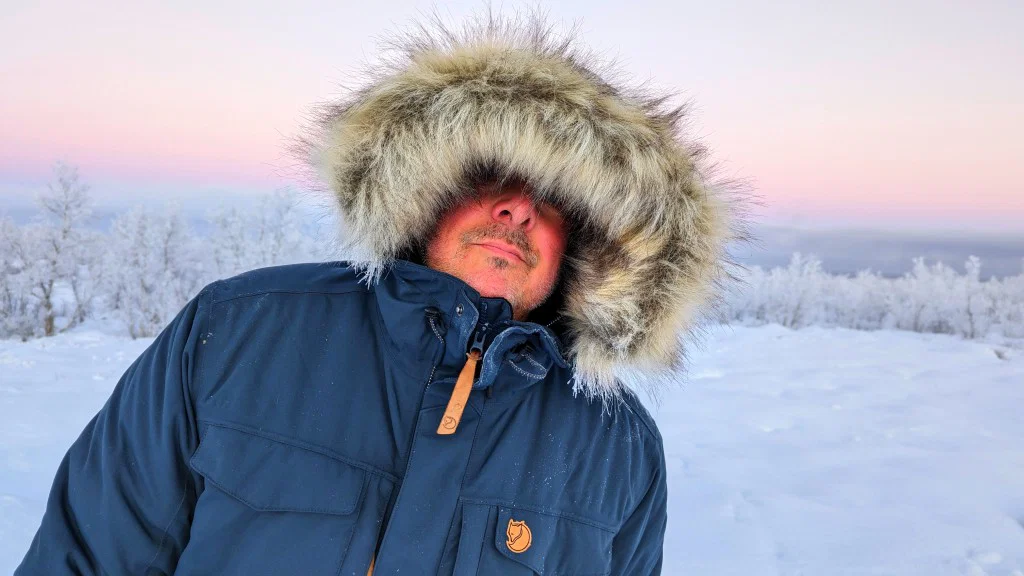
When winter arrives, staying warm without sacrificing comfort or style becomes a top priority. Among the many cold-weather outerwear options available, the parka stands out as one of the most reliable and timeless choices. Known for its exceptional insulation, extended length, and practical features, a parka has earned its reputation as a must-have winter jacket for people living in cold climates or anyone planning outdoor adventures.
Whether you’re preparing for freezing temperatures, shopping for your first winter coat, or simply curious about what makes a parka different from other jackets, this guide covers everything you need to know before making a purchase.
What Is a Parka?
A parka is a long, insulated winter jacket specifically designed to provide maximum warmth and protection against cold weather. Traditionally, parkas feature a hood—often trimmed with faux fur or fur—a longer cut that extends below the waist, and thick insulation that traps body heat.
Originally developed by the indigenous Inuit people of the Arctic, the parka was crafted from animal skins and fur to survive harsh polar conditions. Modern versions use advanced synthetic materials, down insulation, and waterproof fabrics while maintaining the same core purpose: keeping the wearer warm in extremely cold environments.
Today, the parka has evolved into a fashionable and practical winter essential suitable for everyday wear, outdoor work, hiking, travel, and urban life.
The History of the Parka
The history of the parka dates back centuries. Indigenous Arctic communities created these garments using seal or caribou skins, carefully designed to withstand freezing temperatures and icy winds.
During the 20th century, military organizations adopted the parka for soldiers stationed in cold regions. Military parkas became known for their durability, functionality, and weather resistance. Eventually, fashion brands introduced stylish versions for everyday consumers, transforming the parka into one of the world’s most popular winter jackets.
Today, countless designers and outdoor brands produce parkas that combine modern technology with timeless design.
Key Features of a Parka
Not every winter jacket qualifies as a parka. Several defining characteristics set it apart.
Longer Length
One of the most recognizable features of a parka is its extended length. Unlike standard jackets that stop at the waist, a parka usually reaches the hips or thighs, providing extra warmth for the lower body.
Insulated Construction
Parkas are built with high-quality insulation that helps retain body heat. This insulation may include natural goose or duck down, or synthetic alternatives designed for wet conditions.
Protective Hood
Most parkas include an insulated hood that shields your head and neck from snow, rain, and freezing wind. Many styles feature faux fur trim, which can help reduce wind exposure around the face.
Windproof and Waterproof Materials
Modern parkas often feature weather-resistant outer shells that block wind and repel rain or snow, making them ideal for unpredictable winter weather.
Multiple Storage Pockets
A practical parka typically includes several pockets for carrying essentials such as gloves, phones, wallets, keys, and other daily items.
Why Is a Parka So Popular?
The popularity of the parka comes from its perfect balance of warmth, durability, and versatility.
Unlike many fashion-focused winter coats, a parka is built with performance in mind. It keeps you warm during long walks, commutes, outdoor sports, and winter vacations without requiring multiple clothing layers.
At the same time, modern parkas are available in sleek designs that pair well with casual, business, and outdoor outfits.
Types of Parka Jackets
Not every parka serves the same purpose. Understanding the different styles can help you choose the right one.
Down Parka
Down parkas use natural feathers from ducks or geese as insulation. They provide excellent warmth while remaining lightweight, making them ideal for extremely cold climates.
Synthetic Parka
Synthetic insulation performs well even when wet and usually costs less than down. These parkas are excellent for rainy or snowy environments.
Waterproof Parka
Designed for wet winter conditions, waterproof parkas feature sealed seams and advanced fabrics that prevent moisture from entering while remaining breathable.
Fashion Parka
Fashion parkas prioritize appearance while still offering reasonable warmth. They often feature slimmer silhouettes, premium fabrics, and stylish details.
Expedition Parka
Built for severe Arctic conditions, expedition parkas offer maximum insulation and weather protection for extreme cold.
Parka vs. Coat: What’s the Difference?
Many people confuse a parka with a regular winter coat.
A standard coat may simply provide basic insulation for cool temperatures. A parka, however, is specifically engineered for harsh winter conditions with thicker insulation, longer coverage, a protective hood, and enhanced weather resistance.
If you frequently experience snow, freezing temperatures, or icy winds, a parka generally offers superior protection compared to a traditional coat.
Parka vs. Puffer Jacket
Although both jackets provide insulation, there are several differences.
A puffer jacket is usually shorter and features stitched quilted sections filled with insulation. Puffers are lightweight and easy to wear but may not offer the same level of protection during severe winter weather.
A parka provides additional coverage thanks to its longer design and often includes better wind protection, larger hoods, and improved weather resistance.
How to Choose the Right Parka
Buying the right parka involves more than selecting your favorite color.
Consider Your Climate
If you experience freezing temperatures below zero, choose a heavily insulated parka with down or premium synthetic filling.
For milder winters, a lighter insulated option may provide enough warmth without feeling bulky.
Check the Insulation
Natural down offers exceptional warmth-to-weight performance, while synthetic insulation works better in damp environments.
Evaluate Water Resistance
If your area receives frequent rain or wet snow, prioritize waterproof or water-resistant materials.
Find the Right Fit
A parka should fit comfortably over sweaters or hoodies while allowing easy movement. Avoid styles that feel too tight across the shoulders or chest.
Look for Practical Features
Helpful features include:
- Adjustable hood
- Two-way zipper
- Storm cuffs
- Secure zippered pockets
- Adjustable waist
- Breathable fabric
These small details can significantly improve comfort during everyday use.
How to Style a Parka
One reason the parka remains popular is its versatility.
For casual wear, pair your parka with jeans, boots, and a knitted sweater.
For work, choose a neutral-colored parka that complements chinos or tailored trousers.
Outdoor enthusiasts can combine a parka with thermal layers, hiking boots, gloves, and insulated accessories for maximum protection.
Whether you’re commuting through the city or exploring snowy mountains, a parka easily adapts to different occasions.
Caring for Your Parka
Proper care helps your parka last for many winters.
Always follow the care instructions provided by the manufacturer.
Wash only when necessary using mild detergent designed for insulated outerwear. Avoid excessive heat during drying, especially for down-filled jackets. Store your parka in a cool, dry place rather than compressing it into tight spaces for long periods.
Regular cleaning and proper storage help preserve insulation performance and fabric quality.
Is a Parka Worth Buying?
For anyone living in cold climates, the answer is yes.
A high-quality parka is an investment that delivers excellent warmth, comfort, durability, and weather protection. While it may cost more than a lightweight jacket, its performance during harsh winter conditions often makes it well worth the price.
Because parkas are designed to last for years, purchasing a well-made model can save money over time by reducing the need for frequent replacements.
Final Thoughts
A parka is much more than just another winter jacket. It combines centuries of cold-weather innovation with modern materials to deliver exceptional warmth, protection, and everyday comfort. From its Arctic origins to today’s stylish urban designs, the parka continues to be one of the most trusted outerwear choices for winter.
Before buying, consider your climate, insulation needs, preferred fit, and desired features. By selecting the right parka, you’ll enjoy reliable protection from cold weather while staying comfortable and stylish throughout the winter season. Whether you’re navigating snowy city streets, traveling to colder destinations, or simply preparing for the next winter season, a quality parka is a smart investment that you’ll appreciate for years to come.