
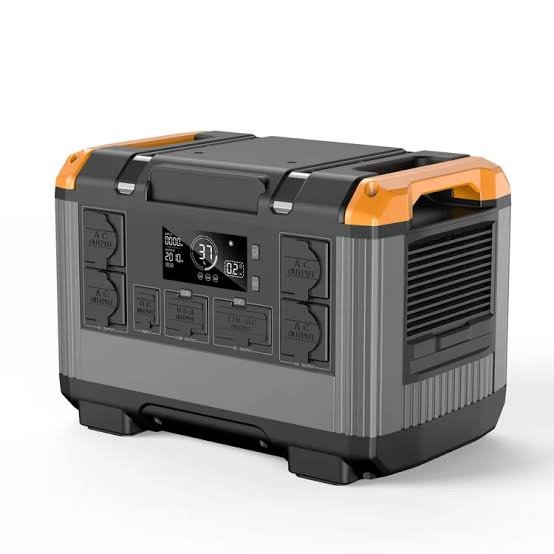
Reliable electricity is essential for modern homes and businesses. From household appliances and internet connections to computers, security systems, and commercial Movable Backup Power equipment, many daily activities depend on a stable power supply. However, unexpected outages, extreme weather, grid failures, and other electrical disruptions can interrupt normal operations. This is where Movable Backup Power provides a practical and flexible solution.
Unlike traditional stationary generators or fixed backup systems, movable power solutions can be transported and used in different locations. They offer convenient access to electricity when and where it is needed. With improvements in battery technology, energy storage, and portable power systems, homeowners and businesses now have more options for maintaining essential power during interruptions.
Understanding Movable Backup Power
Movable Backup Power refers to portable or transportable energy systems designed to provide electricity when a primary power source is unavailable. These systems can include portable battery power stations, mobile generators, trailer-mounted power systems, and other rechargeable energy storage solutions.
Many modern systems use lithium-ion or lithium iron phosphate batteries to store electrical energy. Depending on their capacity, they can power small household electronics or larger appliances and commercial equipment. Some advanced units can also be charged through solar panels, wall outlets, or vehicle charging systems.
The main advantage is flexibility. Instead of installing one permanent backup system in a specific location, users can move the power source between rooms, buildings, work areas, or outdoor locations.
Why Homes Can Benefit From Movable Power
Power outages can create significant inconvenience for households. A short interruption may disconnect internet services, stop appliances, or affect heating and cooling equipment. Longer outages can become more challenging, particularly when essential household devices need continuous electricity.
A movable power system can help homeowners keep important equipment running. Depending on its capacity, it may provide electricity for lights, phones, laptops, routers, refrigerators, fans, and other essential devices.
Another benefit is that homeowners can move the unit according to their needs. For example, a portable power station can be used inside the home during an outage and later taken outside for camping, travel, or other activities.
Because many battery-based systems operate quietly compared with conventional fuel generators, they can be particularly convenient for residential environments.
Supporting Businesses During Power Interruptions
Businesses often face greater financial consequences when electricity is unavailable. A power outage can interrupt production, prevent employees from working, disrupt communication, and potentially affect customers.
Movable Backup Power gives businesses another way to maintain important operations. A company may use portable systems to supply electricity to networking equipment, computers, lighting, security systems, payment equipment, or selected machinery.
The ability to move power equipment is especially useful for businesses operating across multiple locations. Instead of purchasing a separate backup system for every temporary worksite, companies can transport suitable equipment wherever it is required.
Small businesses can also benefit because movable systems may provide backup electricity without requiring major permanent electrical installations.
Flexible Power for Remote and Temporary Locations
One of the strongest advantages of movable power is its usefulness outside conventional buildings. Construction sites, outdoor events, temporary offices, agricultural operations, emergency response locations, and remote work areas may not have easy access to the electrical grid.
Portable energy systems can provide electricity in these situations. Workers can operate tools, charge communication devices, run lighting systems, and support other equipment without depending entirely on a permanent electrical connection.
For temporary projects, mobility can be more valuable than a large fixed backup installation. The power system can arrive with the equipment, support the work, and then be moved to another location when the project is finished.
Solar Charging Adds More Flexibility
Some movable power systems can be combined with solar panels. This creates an additional charging option for users who want to reduce their dependence on traditional electricity sources or fuel.
During suitable daylight conditions, solar panels can recharge compatible battery systems. Stored energy can then be used later when electricity is unavailable or when portable power is required.
Solar compatibility can be particularly useful for outdoor applications, remote locations, emergency preparedness, and extended activities away from the electrical grid. Although charging performance depends on sunlight, panel capacity, battery size, and weather conditions, solar charging can increase the usefulness of a portable energy system.
Choosing the Right Capacity
Not every home or business has the same energy requirements. Selecting the right movable power solution starts with understanding which devices need backup electricity and how much power they consume.
Small battery systems may be suitable for phones, laptops, routers, lights, and other low-power electronics. Larger systems may be needed for refrigerators, medical equipment, power tools, commercial equipment, or multiple devices operating simultaneously.
Users should consider both power output and battery capacity. Power output determines which devices the system can operate, while battery capacity influences how long those devices can run.
It is also important to consider charging speed, portability, available outlets, battery technology, durability, and safety features before purchasing a system.
Safety and Proper Use
Safety should always be a priority when using backup power equipment. Users should follow the manufacturer’s operating instructions and avoid connecting equipment in ways that exceed the system’s rated capacity.
Battery-powered systems should be kept in appropriate conditions and protected from excessive heat, moisture, and physical damage. Fuel-powered portable generators require additional precautions because they produce exhaust gases and should only be operated according to safety requirements in suitable locations.
Regular inspection and maintenance can also help ensure that a backup system remains ready when needed. Businesses should consider creating a basic backup power procedure so employees know how equipment should be handled during an outage.
The Future of Movable Energy Solutions
Energy storage technology continues to develop, making portable power systems more capable and convenient. Improvements in battery efficiency, charging technology, solar integration, monitoring software, and power management are helping users get more value from movable energy equipment.
Smart features are also becoming increasingly common. Some systems allow users to monitor battery levels, power consumption, charging status, and system performance through digital displays or connected applications.
As homes and businesses become more dependent on electronic devices, flexible energy storage is likely to become an increasingly important part of backup planning.
Making Backup Power More Practical
Traditional backup generators remain useful for many applications, but they are not always the most convenient option. Fuel requirements, noise, maintenance, installation considerations, and limited placement can make some systems less flexible.
Movable Backup Power offers a different approach. Instead of focusing only on permanent power infrastructure, users can maintain access to electricity through systems that can be transported and deployed where they are most useful.
For homeowners, this flexibility can make emergency preparedness easier. For businesses, it can provide additional resilience during outages and temporary projects. For remote workers, outdoor users, and construction teams, movable energy can provide valuable electricity without requiring a permanent grid connection.
Conclusion
Reliable electricity is increasingly important in both residential and commercial environments. Unexpected outages and remote work requirements demonstrate the value of having flexible energy available when traditional power is not accessible.
Movable Backup Power provides a versatile approach by combining energy storage with portability. From keeping essential household devices operating during an outage to supporting temporary business operations and remote projects, these systems can adapt to different situations.
By evaluating power requirements, battery capacity, charging options, portability, safety features, and intended applications, users can select a solution that fits their needs. As battery and renewable energy technologies continue to improve, movable backup systems are positioned to become an increasingly practical part of modern energy planning.