
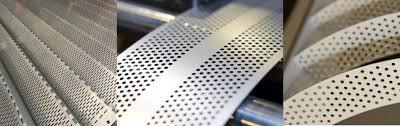
A perforated sheet is a highly versatile industrial material made by punching or stamping a series of holes in metal sheets such as stainless steel, aluminum, galvanized steel, or mild steel. These holes can vary in shape, size, and pattern depending on the intended application. Because of its strength, durability, and adaptability, the perforated sheet has become an essential component across multiple industries. It is valued not only for its functional performance but also for its aesthetic appeal in architectural and design applications.
In modern industry, the demand for efficient materials that offer ventilation, filtration, protection, and structural support has significantly increased. The perforated sheet meets these needs effectively, making it a preferred choice in engineering, construction, automotive, and manufacturing sectors. Its ability to combine strength with openness allows it to perform specialized roles where solid sheets or mesh materials may not be suitable.
Industrial Filtration Applications
One of the most important uses of perforated sheet is in filtration systems. Industries rely on precise filtration to ensure product quality, protect machinery, and maintain operational efficiency.
Oil and Gas Industry
In the oil and gas sector, perforated sheet is widely used in filtration screens, separators, and strainers. It helps remove impurities such as sand, debris, and solid particles from crude oil and natural gas. The durability of the perforated sheet ensures it can withstand high pressure and corrosive environments, making it ideal for offshore and refinery operations.
Water Treatment Plants
Water treatment facilities also depend heavily on perforated sheet systems. It is used in sediment filters, intake screens, and wastewater treatment units. The sheet allows water to pass through while blocking unwanted particles, helping maintain clean and safe water supplies for industrial and municipal use.
Food Processing Industry
In food manufacturing, hygiene and precision are critical. A perforated sheet is used in sorting, filtering, and drying processes. It ensures that food products such as grains, vegetables, and liquids are processed efficiently while maintaining cleanliness and safety standards.
Architectural and Construction Uses
The construction industry has embraced the perforated sheet for both functional and decorative purposes. Its flexibility in design allows architects to create visually appealing and practical structures.
Building Facades
Modern buildings often feature perforated sheet facades to enhance aesthetics while improving energy efficiency. These sheets allow controlled sunlight penetration, reducing heat gain inside buildings. At the same time, they provide privacy and a unique visual identity to architectural designs.
Ceilings and Interior Partitions
Inside buildings, perforated sheet panels are used for ceilings and partitions. They help improve airflow, acoustics, and lighting distribution. In commercial spaces like malls, offices, and airports, these sheets contribute to both functionality and modern interior design.
Automotive and Transportation Industry
The automotive sector uses perforated sheet in several critical components due to its strength and lightweight properties.
Sound Insulation and Mufflers
Vehicles use perforated sheet in exhaust systems and mufflers to control noise levels. The perforations help dissipate sound energy, reducing engine noise while maintaining exhaust efficiency.
Ventilation Grills and Panels
In cars, buses, and trains, perforated sheet is used in ventilation systems and protective grills. It allows air circulation while preventing debris or foreign objects from entering sensitive mechanical components.
Mining and Agricultural Applications
Mining and agriculture industries require durable materials that can handle heavy-duty operations, and perforated sheet is ideal for these environments.
Screening and Sorting Materials
In mining operations, perforated sheet is used for screening minerals, ores, and aggregates. It helps separate materials based on size, ensuring efficiency in processing plants. Its resistance to wear and tear makes it suitable for continuous heavy use.
In agriculture, it is used in grain dryers and sorting machines. The perforated sheet ensures proper airflow while separating unwanted particles from harvested crops.
Acoustic and HVAC Systems
Noise control and air management are essential in many industrial and commercial environments, and perforated sheet plays a key role in both.
Acoustic Panels
Perforated sheet is widely used in acoustic panels for theaters, auditoriums, studios, and industrial facilities. It helps absorb and diffuse sound waves, reducing echo and improving sound quality in enclosed spaces.
HVAC Systems
Heating, ventilation, and air conditioning systems rely on perforated sheet for air distribution and filtration. It ensures smooth airflow while maintaining structural integrity in duct systems. The sheet helps regulate temperature and improves energy efficiency in buildings.
Safety and Industrial Equipment
Safety is a top priority in industrial environments, and perforated sheet contributes significantly to workplace protection.
Machine Guards and Safety Covers
In manufacturing plants, perforated sheet is used to create protective guards around machinery. It prevents accidental contact with moving parts while allowing visibility and ventilation.
Industrial Safety Shields
It is also used in safety barriers and shields in factories and workshops. These protective structures ensure worker safety without restricting airflow or visibility.
Conclusion
The perforated sheet is an indispensable material across a wide range of industries due to its versatility, durability, and functional benefits. From filtration systems in oil refineries to decorative facades in modern architecture, its applications are both practical and innovative. Industries continue to rely on perforated sheet solutions to improve efficiency, safety, and design flexibility.
As technology advances, the demand for customized perforated sheet designs is expected to grow even further. Whether it is used for ventilation, filtration, acoustic control, or structural safety, this material remains a cornerstone of industrial engineering and modern construction practices.