
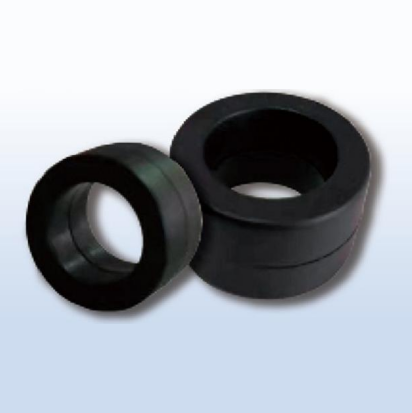
Inductors are critical components in modern electronic circuits, playing a pivotal role in energy storage, filtering, and voltage regulation. Among the many materials used to manufacture inductors, the low-loss air gap amorphous ring core has emerged as a leading choice for engineers seeking superior performance. When combined with a high-precision air gap amorphous core for inductors, these components offer unmatched efficiency, reduced energy losses, and enhanced stability in both power and signal applications.
Understanding Low-Loss Air Gap Amorphous Ring Cores
A low-loss air gap amorphous ring core is a type of magnetic core made from amorphous metal alloys, which are known for their disordered atomic structure. Unlike conventional crystalline materials, amorphous metals exhibit lower eddy current losses, making them highly efficient at high frequencies. The air gap in these cores introduces controlled magnetic reluctance, which helps in stabilizing inductance under varying current conditions and prevents saturation.
In modern circuits, especially in switch-mode power supplies, DC-DC converters, and high-frequency applications, the combination of low-loss characteristics and controlled inductance is essential. By minimizing core losses, these cores reduce heat generation, allowing devices to operate more reliably and efficiently. This is particularly important in compact circuits where thermal management is a concern.
Advantages of Using High-Precision Air Gap Amorphous Core for Inductors
When designing inductors with low-loss amorphous cores, precision is key. A high-precision air gap amorphous core for inductors ensures exact control over the magnetic properties, leading to consistent performance across different units. The benefits of such precision include:
- Enhanced Efficiency: High-precision cores reduce energy losses by maintaining uniform magnetic flux distribution, which is vital for energy-efficient applications.
- Stable Inductance: The precisely engineered air gap prevents sudden inductance drops under high current loads, maintaining the desired filtering and energy storage characteristics.
- Thermal Stability: Precision cores handle heat better, reducing the risk of performance degradation over time, which is especially valuable in high-power or continuous-operation circuits.
- Miniaturization: Accurate cores allow designers to achieve the desired inductance in smaller packages, enabling more compact and lightweight electronic devices.
Applications in Modern Circuit Design
Low-loss air gap amorphous ring cores combined with high-precision air gap amorphous cores for inductors find applications across a wide range of electronic systems. Some of the most significant applications include:
- Switch-Mode Power Supplies (SMPS): These power converters require inductors with minimal losses to maintain high efficiency, reduce heat, and ensure stable voltage output. The precise control of the air gap in amorphous cores enables optimal performance in these fast-switching environments.
- Renewable Energy Systems: In solar inverters and wind turbine converters, low-loss inductors help reduce energy wastage, improving overall system efficiency. The high-precision cores ensure that voltage and current regulation remain consistent under varying load conditions.
- Telecommunication Equipment: For high-frequency signal processing, inductors must maintain low loss and stable performance. Amorphous ring cores minimize distortion and noise, which is crucial for maintaining signal integrity in communication networks.
- Electric Vehicles and Automotive Electronics: Modern electric vehicles rely heavily on efficient power conversion. Low-loss, high-precision inductors contribute to longer battery life, reduced energy loss, and reliable operation of motor controllers and charging systems.
Design Considerations for Optimal Performance
Maximizing the performance of low-loss air gap amorphous ring cores involves careful consideration of several design factors.
- Air Gap Size: The size of the air gap directly affects the inductance and saturation characteristics of the core. A high-precision air gap amorphous core for inductors allows designers to optimize this parameter for the specific current range and operating conditions.
- Core Material Quality: Amorphous metals with high magnetic permeability and low coercivity are ideal, as they reduce hysteresis losses and improve efficiency. Consistency in material composition ensures predictable performance.
- Winding Techniques: Proper winding of the inductor coil is essential to minimize resistance and leakage inductance. Uniform winding reduces hotspots and ensures even magnetic flux distribution throughout the core.
- Thermal Management: Even low-loss cores generate heat under high currents. Adequate cooling, heat sinks, or thermal design integration helps maintain the longevity and stability of the inductor.
- Frequency Optimization: Amorphous cores are particularly effective at high frequencies, but the design must account for operating frequency to minimize eddy current and hysteresis losses while maintaining desired inductance.
Future Trends in Amorphous Core Inductors
The demand for low-loss air gap amorphous ring cores and high-precision air gap amorphous cores for inductors is growing as electronic devices continue to require higher efficiency, miniaturization, and reliability. Emerging trends include:
- Advanced Material Development: New amorphous alloys with even lower losses and improved saturation characteristics are being developed to meet the demands of next-generation power electronics.
- Integration with Digital Control: Smart power systems increasingly rely on digitally controlled inductors for adaptive performance, where precise core characteristics play a critical role in system efficiency.
- High-Density Power Conversion: With the push for smaller, more compact devices, high-precision amorphous cores enable designers to achieve high energy density without compromising thermal or electrical performance.
- Sustainable Electronics: Reduced energy loss translates to lower environmental impact, making these cores essential for green technology applications.
Conclusion
Incorporating a low-loss air gap amorphous ring core in combination with a high-precision air gap amorphous core for inductors offers significant advantages for modern circuit designs. These cores deliver enhanced efficiency, thermal stability, and reliable performance across a variety of applications, from consumer electronics to renewable energy and automotive systems. By understanding the material properties, optimizing the air gap, and implementing precise winding and thermal strategies, engineers can maximize the potential of inductors, ensuring that modern electronic systems operate efficiently and reliably. As technology continues to evolve, these cores will remain a cornerstone in the pursuit of high-performance, low-loss circuit design.