
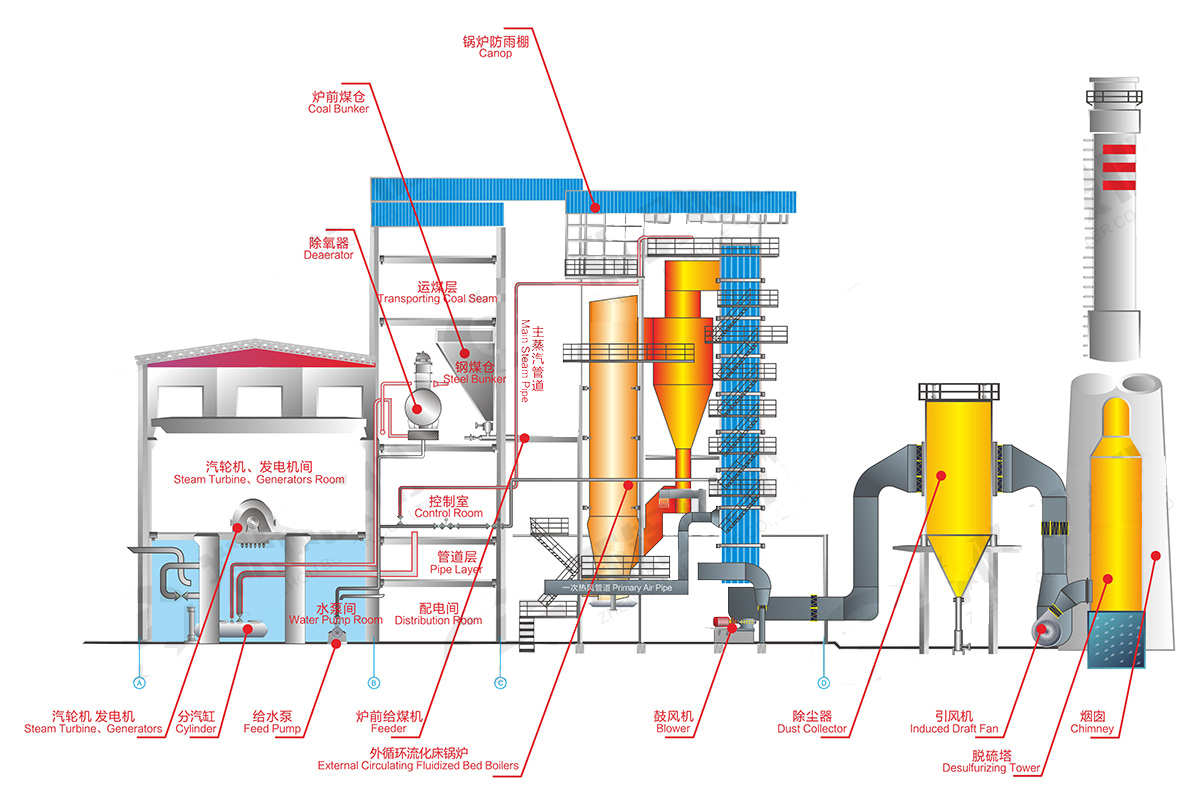
Efficient operation of a thermal power plant depends heavily on the reliability of its ash handling infrastructure. The ash and slag removal system of boiler island plays a critical role in ensuring safe, continuous, and environmentally compliant plant operations. When poorly maintained, this system can lead to unplanned shutdowns, equipment damage, environmental hazards, and significant financial losses.
In modern power plants, especially coal-fired facilities, ash and slag are inevitable by-products of combustion. Proper handling, transportation, and disposal of these materials require well-designed systems and disciplined maintenance strategies. This article explores the best practices for maintaining ash and slag removal systems in boiler islands to ensure long-term reliability, safety, and efficiency.
Understanding the Ash and Slag Removal System in Boiler Islands
The ash and slag removal system of boiler island is responsible for collecting bottom ash, fly ash, and slag produced during combustion and transporting them to storage or disposal facilities. These systems typically include:
- Bottom ash hoppers
- Slag crushers
- Submerged scraper conveyors
- Hydraulic or pneumatic conveying systems
- Ash silos and storage tanks
- Dewatering bins
- Pumps, valves, and pipelines
Each component must function seamlessly to prevent buildup, blockages, and operational disruptions. Since these systems operate under high temperatures, abrasive conditions, and continuous loads, regular maintenance is not optional—it is essential.
Importance of Preventive Maintenance
Preventive maintenance is the foundation of a reliable ash and slag removal system of boiler island. Waiting for a breakdown often leads to costly emergency repairs and downtime.
Key Preventive Maintenance Activities
Routine Inspection of Mechanical Components
Regular inspection of crushers, conveyors, chains, sprockets, and bearings helps identify early signs of wear. Ash and slag are highly abrasive, which accelerates mechanical degradation. Early detection of wear prevents catastrophic failure.
Monitoring Hydraulic and Pneumatic Systems
In hydraulic ash handling systems, pump performance, pipeline integrity, and valve operation must be checked frequently. For pneumatic systems, air pressure, compressor efficiency, and pipeline leakage must be monitored to avoid material buildup.
Checking Hopper Conditions
Ash hoppers under the boiler must remain free of excessive accumulation. Clinker formation and bridging can restrict flow and damage equipment. Operators should ensure proper temperature control and insulation to minimize slag solidification.
Regular Cleaning and Debris Removal
Ash and slag accumulation can cause blockages and overheating. Scheduled cleaning reduces these risks.
Best Cleaning Practices
Use of Proper Tools and Equipment
Avoid makeshift cleaning tools that may damage liners or refractory materials. Use heat-resistant and abrasion-resistant tools designed specifically for ash handling systems.
Scheduled Shutdown Cleaning
During planned outages, conduct thorough internal inspections and cleaning of conveyors, hoppers, crushers, and pipelines. Removing hardened slag deposits prevents long-term structural damage.
Maintaining Water Seals
In submerged scraper conveyors, water levels must be maintained to prevent air ingress and overheating. Proper water seal maintenance ensures smooth slag cooling and transportation.
Lubrication and Wear Management
Due to continuous exposure to abrasive particles, wear management is a top priority for the ash and slag removal system of boiler island.
Lubrication Best Practices
Follow Manufacturer Recommendations
Use manufacturer-recommended lubricants and intervals. Over-lubrication can be as harmful as under-lubrication.
Inspect Wear Liners and Refractory
Wear liners inside chutes and pipelines protect structural components. Regularly inspect and replace worn liners before the base metal is exposed.
Monitor Chain Tension and Alignment
In scraper conveyors, improper chain tension causes uneven wear and possible breakage. Regular alignment checks extend equipment life.
Instrumentation and Automation Checks
Modern boiler islands rely on sensors and automation systems for safe ash handling operations.
Essential Monitoring Systems
Temperature Sensors
High temperatures in hoppers or conveyors can indicate cooling system failure. Early detection prevents fire hazards and equipment warping.
Level Indicators
Ash level sensors prevent overflow and ensure proper discharge timing. Faulty sensors can cause system clogging or spillage.
Vibration Monitoring
Vibration analysis of crushers and motors helps detect imbalance, bearing failure, or misalignment before major damage occurs.
Regular calibration and testing of these instruments are crucial for accurate system control.
Managing Corrosion and Erosion
The ash and slag removal system of boiler island is exposed to corrosive elements, especially when handling wet ash or operating in humid environments.
Corrosion Prevention Strategies
Use of Protective Coatings
Apply anti-corrosion coatings inside pipelines, tanks, and hoppers to extend service life.
Control Moisture Levels
Excessive moisture accelerates corrosion. Proper drainage and ventilation reduce internal condensation.
Regular Thickness Measurement
Ultrasonic thickness testing helps monitor metal loss in pipelines and vessels. Early identification of thinning walls prevents leaks and structural failures.
Training and Safety Practices
Maintenance quality depends on the knowledge and discipline of plant personnel.
Operator Training Essentials
Understanding System Design
Technicians should fully understand how the ash and slag removal system of boiler island operates, including flow paths and emergency shutdown procedures.
Emergency Response Preparedness
Blockages, pump failures, and conveyor jams must be handled quickly. Clear protocols minimize risk and downtime.
Personal Protective Equipment (PPE)
Ash handling exposes workers to dust, heat, and moving machinery. Proper PPE, including respirators, gloves, and heat-resistant clothing, is mandatory.
Spare Parts Management
Delays in maintenance often result from unavailable spare parts. Effective inventory management reduces downtime.
Critical Spare Components
- Crusher teeth and liners
- Conveyor chains and sprockets
- Pump seals and impellers
- Valves and actuators
- Sensors and control modules
Maintaining a strategic stock of high-wear components ensures rapid repair when needed.
Performance Monitoring and Data Analysis
Data-driven maintenance significantly improves reliability.
Implementing Predictive Maintenance
Analyze Operational Trends
Track parameters such as pump pressure, motor current, and conveyor speed. Deviations from normal ranges indicate potential issues.
Use Maintenance Software
Computerized maintenance management systems (CMMS) help schedule inspections, record repairs, and track equipment history.
Root Cause Analysis
When failures occur, conduct thorough root cause analysis rather than temporary fixes. Identifying underlying problems prevents recurrence.
Environmental Compliance and Dust Control
Ash handling systems must comply with environmental regulations. Dust emissions and ash leakage can result in penalties and environmental damage.
Dust Management Strategies
Sealing Transfer Points
Proper sealing of chutes and conveyors reduces airborne ash.
Installing Dust Suppression Systems
Water sprays or dust extraction systems minimize particulate emissions.
Regular Inspection of Filters
Bag filters and dust collectors must be cleaned and replaced according to schedule to maintain air quality standards.
Scheduled Overhauls and Major Inspections
Even with strong preventive maintenance, periodic major overhauls are necessary.
What to Include in Overhauls
- Complete inspection of submerged scraper conveyors
- Refractory condition assessment
- Structural integrity checks
- Full pump disassembly and inspection
- Electrical panel cleaning and testing
Comprehensive overhauls extend the operational life of the ash and slag removal system of boiler island and improve overall plant efficiency.
Conclusion
The ash and slag removal system of boiler island is a vital component of any coal-fired or solid-fuel power plant. Its reliability directly affects boiler performance, plant safety, and environmental compliance. Implementing best practices—such as preventive maintenance, routine inspection, proper lubrication, corrosion control, staff training, and predictive monitoring—ensures long-term operational stability.