
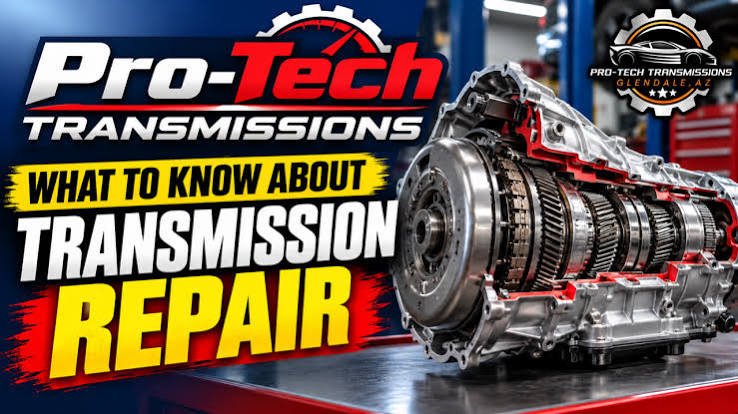
Owning a vehicle comes with many responsibilities, and keeping its transmission in good condition is one of the most important. The transmission helps transfer power from the engine to the wheels, allowing transmission repair glendale az a vehicle to change gears smoothly and operate efficiently. When transmission problems develop, they can affect performance, fuel economy, and overall driving safety. For drivers in Glendale, Arizona, finding affordable and dependable transmission repair is essential for maintaining a reliable vehicle without spending more than necessary.
Understanding how the transmission works, recognizing early warning signs, and choosing a trustworthy repair shop can help vehicle owners make informed decisions. Whether you drive a daily commuter, a family SUV, a pickup truck, or a commercial vehicle, taking the right approach to transmission maintenance can save money and reduce unexpected breakdowns.
Understanding the Importance of Transmission Maintenance
A vehicle’s transmission manages the relationship between engine speed and wheel speed. Automatic transmissions change gears without requiring the driver to operate a clutch, while manual transmissions depend on the driver to select gears. Both systems contain components that experience wear over time.
Regular maintenance helps keep these components functioning properly. Depending on the vehicle, recommended services may include transmission fluid inspections, fluid replacement, filter changes, and diagnostic checks. Following the manufacturer’s maintenance schedule can reduce the risk of premature wear and expensive repairs.
Glendale drivers should also consider the local climate. Arizona’s high summer temperatures can place additional stress on vehicles, especially during heavy traffic, frequent short trips, towing, or extended periods of driving. Heat can contribute to transmission fluid deterioration, making regular inspections particularly valuable.
Preventive maintenance cannot eliminate every mechanical problem, but it can help identify developing issues before they become more serious.
Common Signs Your Vehicle Needs Transmission Repair
Recognizing transmission trouble early can make a significant difference in repair costs. Drivers should pay attention to changes in vehicle performance and arrange a professional inspection when unusual symptoms appear.
Delayed or Difficult Gear Shifting
If your vehicle hesitates before moving into gear or struggles to shift between gears, the transmission may have a developing problem. Potential causes include low fluid levels, worn internal components, electronic control issues, or hydraulic problems.
Slipping Gears
Transmission slipping occurs when the vehicle unexpectedly changes gears or the engine speed rises without a corresponding increase in vehicle speed. This symptom can affect acceleration and make driving less predictable. It should be checked promptly by a qualified technician.
Unusual Noises
Grinding, whining, clunking, or humming sounds may indicate transmission trouble. However, similar noises can originate from other vehicle components. A proper diagnosis helps identify the actual source rather than replacing parts unnecessarily.
Transmission Fluid Leaks
Transmission fluid is essential for lubrication, cooling, and proper operation in many transmission systems. Reddish or brown fluid beneath a parked vehicle may indicate a leak, although fluid color varies by product and condition. Avoid assuming the source based on color alone.
Warning Lights and Burning Smells
A check engine light or transmission temperature warning may signal a problem requiring attention. A burning smell can also indicate overheating or deteriorating fluid. If the vehicle shows severe symptoms, loses drive, or displays an overheating warning, stop in a safe location and arrange professional assistance.
Finding Affordable Transmission Repair in Glendale, AZ
Affordable transmission repair does not necessarily mean choosing the lowest advertised price. A dependable repair shop should offer accurate diagnostics, clear explanations, and solutions appropriate for the vehicle’s condition.
Start by looking for automotive repair businesses serving Glendale, AZ, that have experience with your vehicle’s make, model, and transmission type. A shop familiar with modern automatic transmissions, continuously variable transmissions, and manual systems may be better equipped to identify the specific issue.
Customer reviews can provide useful information about communication, repair quality, turnaround times, and billing transparency. Look for consistent feedback rather than relying on one unusually positive or negative review.
Before authorizing repairs, request a written estimate explaining the diagnostic fee, parts, labor, additional services, and applicable taxes. Ask whether the estimate could change if technicians discover further damage after opening the transmission. Understanding these details can help prevent unexpected expenses.
It is also wise to ask about warranties on parts and labor. Confirm what the warranty covers, how long it lasts, and whether any conditions apply. A written warranty provides greater clarity than a verbal assurance.
Understanding Transmission Repair Costs
Transmission repair costs vary considerably depending on the problem, vehicle design, parts availability, and labor requirements. A minor fluid leak or sensor issue may be less expensive to address than internal mechanical damage.
For example, a technician might resolve a shifting problem by repairing a damaged electrical connection or replacing a faulty sensor. In other cases, worn clutches, damaged gears, or extensive internal wear may require major repairs or transmission replacement.
The most important step is obtaining an accurate diagnosis before agreeing to a costly service. Ask the technician to explain the test results and identify which repairs are essential. If the proposed work involves a substantial expense, obtaining a second opinion may help you compare options.
Drivers should also discuss whether a repair, remanufactured transmission, or replacement unit makes the most financial sense. Each option has different costs, benefits, and warranty considerations. The right choice depends on the vehicle’s age, mileage, overall condition, and expected future use.
What to Expect During a Professional Transmission Inspection
A thorough inspection generally begins with a discussion of the symptoms. The technician may ask when the issue started, whether it happens during acceleration, and whether warning lights have appeared.
Next, the repair professional may inspect fluid condition and levels where applicable, check for leaks, scan the vehicle’s computer for diagnostic trouble codes, and conduct additional tests. A road test may be appropriate when the vehicle can be driven safely.
Some transmission problems require more detailed testing to identify their cause. Diagnostic codes are useful, but they do not always identify the exact component that has failed. Experienced technicians interpret the codes alongside physical inspections and other test results.
Once the problem is identified, the shop should explain the recommended repair and discuss alternatives where appropriate. Clear communication helps vehicle owners understand what needs attention and why.
Practical Ways to Extend Transmission Life
Although some transmission failures are unavoidable, good driving habits and appropriate maintenance can help reduce unnecessary wear.
First, follow the maintenance schedule specified in your owner’s manual. Transmission fluid requirements differ between vehicles, so always use the correct fluid type and service procedure.
Second, avoid towing loads beyond the vehicle’s rated capacity. Excessive weight can increase transmission temperatures and place additional strain on internal components.
Third, allow the vehicle to operate normally before demanding heavy performance, particularly when conditions are unusually hot or cold. Avoid aggressive acceleration and repeated hard launches, which can increase mechanical stress.
Fourth, never ignore persistent leaks, abnormal shifting, or warning lights. Early inspections may prevent a manageable problem from developing into a major failure.
Finally, if your vehicle becomes difficult to control, loses power unexpectedly, or experiences severe transmission symptoms, avoid continuing to drive it. Arrange towing when necessary to prevent further damage and reduce safety risks.
Questions to Ask Before Choosing a Repair Shop
Before selecting a transmission repair provider in Glendale, AZ, ask a few important questions:
- Does the shop have experience with my vehicle’s transmission system?
- Will you perform diagnostic testing before recommending major repairs?
- Can I receive a written estimate before work begins?
- Are replacement parts new, used, or remanufactured?
- What warranty applies to the repair and labor?
- Will you contact me before performing additional work?
- Can you explain which repairs are urgent and which can wait?
A professional shop should be willing to answer these questions clearly. If a business pressures you into immediate expensive work without explaining the diagnosis, consider seeking another opinion.
Conclusion
Affordable and dependable transmission repair in Glendale, AZ, begins with understanding your vehicle and recognizing the early signs of mechanical trouble. Regular maintenance, careful driving, and prompt attention to unusual symptoms can help protect your transmission and reduce the risk of unexpected expenses.
Choosing the right repair shop is equally important. Look for qualified technicians, transparent estimates, reliable customer feedback, and written warranty information. Compare repair options carefully and make sure you understand the diagnosis before approving major work.
With a proactive maintenance routine and a trustworthy automotive repair professional, vehicle owners can make more confident decisions, improve long-term reliability, and keep their vehicles operating smoothly on Glendale’s roads. Investing in timely transmission care today may help prevent more costly problems in the future.