
Introduction
Wearable technology has become an important part of modern life, helping people monitor their daily activities, stay connected, and understand their health and fitness habits. Smartwatches and fitness bands have already changed how people interact with technology, but a new generation of compact devices is gaining attention: smart rings. These small, stylish accessories combine useful digital features with the convenience of traditional jewelry, offering a different approach to personal technology.
Smart rings are designed to provide selected health insights, track physical activity, and collect information about everyday habits without requiring users to wear a large device on their wrists. Their discreet appearance makes them suitable for people who prefer simple accessories while still enjoying the benefits of connected technology. As manufacturers continue to improve sensors, battery efficiency, and mobile applications, smart rings are becoming an interesting option for consumers seeking practical wearable devices.
The growing interest in affordable wearable products has also increased demand for devices that balance useful features with accessible pricing. For example, consumers searching for a budget smart ring with heart rate tracking may consider options such as the COLMI R09 smart ring when exploring compact technology for everyday use. Understanding the features, benefits, limitations, and future possibilities of smart rings can help consumers make informed decisions.
What Is a Smart Ring?
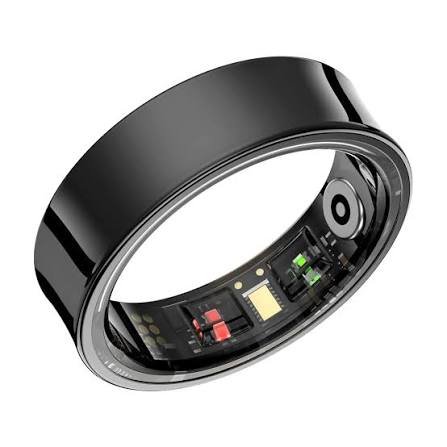
A smart ring is a compact electronic device worn on a finger. It typically contains sensors and wireless technology that allow it to collect selected information and transfer it to a compatible smartphone application. Depending on the model, a smart ring may track heart rate, sleep patterns, daily movement, and other wellness indicators.
Unlike conventional rings, which primarily serve decorative purposes, smart rings combine jewelry-inspired design with digital functionality. Their small size allows manufacturers to integrate electronic components into a lightweight structure that can be worn throughout the day.
How Smart Rings Work
Smart rings use miniature sensors to collect information from the wearer’s body or movements. Optical sensors can estimate heart rate by detecting changes in blood flow beneath the skin. Motion sensors, including accelerometers, can identify movement patterns and help estimate daily activity.
The collected information is processed by the device and, in many cases, synchronized with a smartphone through Bluetooth. A companion application presents the results in charts, summaries, or daily reports, allowing users to review patterns over time.
Some models offer additional features, such as sleep analysis, activity monitoring, or notifications. However, available functions differ significantly between products, so consumers should check the specifications of each device before purchasing.
Why Smart Rings Are Becoming Popular
The popularity of smart rings reflects a broader shift toward smaller, more convenient technology. Many consumers want useful digital features without wearing a large smartwatch or constantly interacting with a screen.
Smart rings address this preference by offering selected functions in a compact format. Their discreet design can fit naturally into everyday routines, including work, travel, exercise, and relaxation.
Compact and Comfortable Design
One of the main attractions of smart rings is their small size. Compared with many smartwatches, they occupy less space on the body and generally have a simpler appearance. This makes them appealing to users who prefer minimalist accessories.
A well-fitted smart ring can be worn while completing ordinary activities, provided the manufacturer permits the relevant use. Before purchasing, consumers should check sizing instructions, material quality, and comfort because finger measurements and fit can affect the wearing experience.
Fewer Screen Distractions
Smartwatches often display messages, calls, notifications, and applications directly on the wrist. Although these features are useful, they can encourage frequent screen checking.
Most smart rings focus more on collecting information than displaying it. Users generally review their results through a smartphone application rather than interacting with a screen on the ring itself. This design can support a more discreet experience for people who want health and activity information without another screen to manage.
Convenient Everyday Monitoring
Smart rings can collect information while users go about their regular routines. Depending on the model, they may record movement, estimate heart rate, or provide information about sleep patterns.
Reviewing these measurements over time can help users recognize general trends in their activity and rest. The value comes from understanding patterns rather than relying on a single reading to evaluate overall health.
Essential Features of Modern Smart Rings
Smart rings vary in their capabilities, but several features are particularly relevant to consumers considering their first wearable ring.
Heart Rate Tracking
Heart rate tracking is one of the most recognizable functions available in many smart rings. Optical sensors estimate the number of heartbeats per minute by measuring changes in blood flow.
This information can help users observe how their heart rate varies during rest, everyday movement, and physical activity. Some devices provide periodic measurements, while others offer more frequent monitoring.
Sensor performance can vary with fit, movement, skin characteristics, and device design. Consequently, readings should be treated as wellness estimates rather than medical diagnoses. People who need reliable medical monitoring should follow guidance from a qualified healthcare professional.
Sleep Monitoring
Sleep tracking is another important feature in the wearable technology market. Certain smart rings use movement and other sensor data to estimate sleep duration, sleep timing, and different sleep stages.
These reports may help users identify changes in their sleep routines. For instance, someone might notice that their sleep schedule becomes less consistent during busy workdays or after late-night screen use.
However, consumer sleep trackers cannot measure every aspect of sleep directly, and their estimates may not always match clinical assessments. They are best used as tools for observing general patterns rather than as definitive measures of sleep quality.
Activity Tracking
Depending on the product, smart rings may count steps, estimate activity levels, or record periods of movement. These features can encourage users to become more aware of how much they move throughout the day.
A person who spends many hours sitting at a desk might use activity summaries as a reminder to take walking breaks. Someone who enjoys casual exercise could review daily movement trends and gradually build more consistent habits.
Different devices support different activity metrics, so buyers should check whether a particular ring offers the functions they need.
Smartphone Connectivity
Bluetooth connectivity allows compatible smart rings to communicate with mobile applications. These applications typically organize recorded information into understandable summaries, making it easier to review measurements and compare trends.
Compatibility is important because some products support only particular smartphone operating systems or require specific application versions. Consumers should confirm compatibility and review the app’s permissions and privacy policy before connecting a device.
Exploring Affordable Smart Ring Options
Premium wearable devices often include advanced analytics, detailed applications, and extensive health-related features. However, not every consumer needs a high-priced product. People who are new to wearable technology may prefer a more affordable option that covers their basic requirements.
The key is to compare practical functionality instead of choosing a device based only on appearance or marketing claims.
What Makes a Smart Ring Budget-Friendly?
An affordable smart ring generally aims to provide selected essential functions without the cost of a more advanced product. Depending on the model, these functions may include heart rate estimates, basic activity monitoring, sleep tracking, or smartphone synchronization.
Budget devices may have fewer sensors, less detailed software, or more limited customization options than premium alternatives. Their applications may also differ in data presentation and long-term support.
Consumers should consider the total ownership experience, including charging requirements, replacement policies, software updates, and any subscription fees. A low purchase price is useful, but reliable everyday performance is equally important.
Considering the COLMI R09 Smart Ring
The COLMI R09 smart ring is one product consumers may encounter while researching entry-level smart rings. Its relevance to budget-conscious shoppers depends on the features, compatibility, availability, and price offered by the seller.
Anyone evaluating this model should verify whether the specific version supports heart rate monitoring, sleep tracking, activity measurements, and the smartphone functions they expect. They should also review the manufacturer’s current specifications rather than assuming every feature is available in every version or market.
For shoppers looking for a budget smart ring with heart rate tracking, comparing the COLMI R09 with other products can help clarify the balance between price and functionality. Important considerations include sensor performance, wearing comfort, battery life, water-resistance rating, charging method, and application quality.
It is also sensible to examine recent customer feedback from reliable retailers. Reviews can reveal practical concerns, such as connection stability, sizing difficulties, or differences between advertised and available features.
Smart Rings Compared With Smartwatches and Fitness Bands
Smart rings, smartwatches, and fitness bands all belong to the wearable technology category, but they serve somewhat different purposes.
Smart Rings Versus Smartwatches
Smartwatches usually provide larger displays, interactive controls, notifications, and a wider selection of applications. Some models also offer GPS, contactless payments, and communication features.
Smart rings generally prioritize compactness and discreet monitoring. Their lack of a large display can make them less distracting, but it also means users cannot easily view detailed information directly on the device.
People who want a multipurpose digital companion may prefer a smartwatch. Those who value minimal design and selected wellness features may find a smart ring more suitable.
Smart Rings Versus Fitness Bands
Fitness bands typically feature a wrist-mounted design and may include displays for activity statistics, heart rate, and notifications. Their interfaces can make it easy to check information during a workout.
Smart rings provide an alternative for people who prefer not to wear a wrist device. However, not every ring offers the same exercise-tracking capabilities as a dedicated fitness band.
The best choice depends on individual preferences, intended use, comfort, and the quality of the measurements each product provides.
The Role of Smart Rings in Daily Life
The practical value of wearable technology becomes clearer when its features fit naturally into everyday activities. Smart rings can support several common routines without demanding constant attention.
Supporting Health Awareness
Heart rate and activity summaries can help users become more familiar with their everyday patterns. For example, someone may compare resting measurements across several days or observe changes in movement during a particularly busy week.
These insights can encourage people to ask useful questions about sleep, stress, activity, and recovery. However, wearable measurements cannot replace professional evaluation, and an unusual reading should not automatically be interpreted as evidence of a medical condition.
Improving Sleep Habits
A smart ring that supports sleep tracking may help users review their bedtime and waking routines. Consistent sleep schedules, a comfortable sleeping environment, and suitable evening habits can all contribute to better rest.
By comparing sleep estimates with daily routines, users may identify patterns worth changing. The device itself does not guarantee improved sleep; its usefulness depends on how people interpret the information and apply reasonable adjustments.
Making Fitness More Manageable
Some users find activity summaries helpful when developing consistent movement habits. A smart ring can provide a convenient way to review general activity without carrying an additional screen during everyday walks.
Users should choose realistic goals and avoid treating automated scores as measures of personal worth or overall fitness. Consistency, enjoyment, and sustainable routines are more useful than constantly trying to improve a number displayed in an application.
Supporting Busy Lifestyles
People with demanding schedules may appreciate wearable devices that collect information quietly in the background. Rather than checking multiple applications throughout the day, users can review a summary when convenient.
This approach can make technology feel more supportive and less intrusive, especially when the device is comfortable and its application presents information clearly.
Important Considerations Before Buying a Smart Ring
Although smart rings offer several advantages, consumers should evaluate their limitations before making a purchase.
Size and Wearing Comfort
Proper sizing is essential because a ring that is too loose or too tight may be uncomfortable and could affect sensor readings. Buyers should follow the manufacturer’s sizing guidance and consider whether finger size changes throughout the day.
The ring should not cause discomfort, restrict circulation, or interfere with normal activities. If it becomes uncomfortable, users should remove it.
Battery Life and Charging
Battery performance varies by product, sensor activity, software, and usage conditions. Some devices require frequent charging, while others are designed for longer intervals between charges.
Consumers should review realistic battery-life information and determine whether the charging process fits their routines. Charging accessories and replacement availability may also influence long-term convenience.
Water Resistance and Durability
Some smart rings are designed to tolerate everyday exposure to water, while others have more restrictive requirements. Water resistance does not necessarily mean a product is suitable for swimming, hot showers, or prolonged immersion.
Always check the exact rating and the manufacturer’s care instructions. Buyers should also consider scratch resistance, material quality, and warranty coverage.
Privacy and Data Security
Smart rings can collect personal information about activity, sleep, and physiological measurements. This makes data privacy an important part of the purchasing decision.
Before using a companion application, consumers should review its privacy policy, account requirements, data-sharing practices, and available deletion controls. They should also install software updates and use appropriate account security.
A trustworthy wearable experience depends not only on sensor quality but also on responsible handling of personal information.
The Future of Smart Ring Technology
Smart rings are likely to continue evolving as electronic components become smaller and software systems become more capable. Future generations may improve battery efficiency, sensor performance, comfort, and the clarity of health-related summaries.
More Personalized Insights
As data analysis improves, wearable applications may become better at identifying individual patterns and presenting information in a useful context. Instead of displaying isolated measurements, future systems could provide clearer summaries of changes in activity or rest.
Such developments should be evaluated carefully. More detailed analytics do not automatically mean greater accuracy, and wellness software should explain its limitations.
Integration With Connected Devices
Smart rings may become more closely integrated with smartphones, fitness platforms, and other connected devices. Depending on supported standards and manufacturer partnerships, this could make it easier to bring different types of information together.
Interoperability will be important because consumers should not have to replace an entire wearable setup whenever they change phones or applications.
Greater Accessibility
Competition among manufacturers may encourage more affordable products and a broader range of designs. As a result, consumers could have more opportunities to choose wearable devices based on their budgets and priorities.
Nevertheless, low prices should not be the only consideration. Long-term software support, reliable connectivity, clear specifications, and reasonable warranty terms will remain important.
A More Discreet Form of Technology
Smart rings represent a wider trend toward technology that blends into ordinary accessories. Instead of placing another screen in front of users, these devices collect information in the background and present it when needed.
This approach may appeal to people who want the benefits of connected technology without changing their personal style or carrying additional equipment.
How to Choose the Right Smart Ring
Selecting a suitable smart ring begins with identifying the features that matter most. Someone primarily interested in heart rate tracking should compare sensor capabilities and measurement frequency. A person focused on sleep may prioritize comfort, battery life, and the clarity of sleep reports.
Next, check smartphone compatibility, water-resistance specifications, charging requirements, and the availability of customer support. Compare the total price across reputable sellers and verify what is included in the package.
For an affordable product such as the buy colmi r09 smart ring, buyers should confirm the current price and supported features directly with the manufacturer or seller. Independent reviews can provide additional context, but individual experiences do not guarantee identical results for every user.
Finally, remember that wearable technology should make daily life more convenient. The most appropriate device is the one that fits comfortably, provides useful information, respects privacy, and matches the user’s actual needs.
Conclusion
Smart rings are creating new possibilities for wearable technology by combining compact designs with selected digital and wellness features. Their ability to estimate heart rate, track movement, and support sleep awareness makes them appealing to consumers who want practical information without wearing a traditional smartwatch.
Affordable options are especially relevant for people who want to explore wearable technology without making a large financial commitment. Products such as the COLMI R09 smart ring may be worth researching, provided buyers verify the current specifications, sensor capabilities, compatibility, and seller reliability.
As technology advances, smart rings may become more comfortable, efficient, and accessible. Their future success will depend on delivering dependable functionality, protecting personal information, and offering genuine everyday value. For consumers, careful comparison and realistic expectations remain the best ways to find a smart ring that complements their lifestyle.