
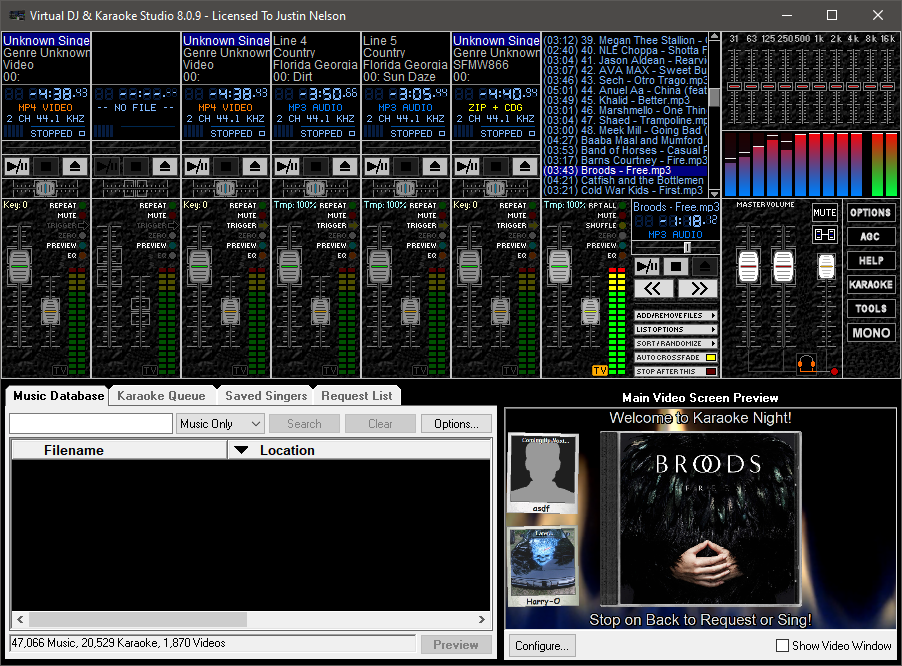
The world of DJing has undergone a dramatic transformation over the past few decades. From vinyl records and turntables to digital controllers and streaming software, the tools of the trade have evolved alongside technology. One of the most significant shifts in recent years has been the rise of virtual platforms, allowing DJs to perform beyond the constraints of physical venues. This evolution has not only expanded opportunities for performers but also redefined how audiences experience live music. For djs virtual performances have become an essential avenue for creativity, engagement, and career growth.
From Analog Beginnings to Digital Mastery
DJing began as an analog art form, with DJs meticulously manipulating vinyl records to create seamless mixes and unique sounds. Early pioneers developed their skills in clubs, radio stations, and underground scenes, relying on technical precision and a deep understanding of music. The analog era emphasized tactile interaction, where DJs could physically feel the groove of the music and respond intuitively.
As technology progressed, the introduction of CDs, MIDI controllers, and computer-based software transformed DJing. Digital tools enabled DJs to access vast libraries of music, apply effects instantaneously, and mix tracks with unprecedented precision. This digital revolution laid the groundwork for virtual performances, making it possible to replicate or even enhance the energy of a live set without being physically present.
The Rise of Virtual DJ Platforms
Virtual platforms have become the new frontier for DJ performances. Services such as Mixcloud Live, Twitch, YouTube Live, and Zoom have provided DJs with the tools to connect with audiences from around the world. For djs virtual sets are no longer a niche experiment; they are a mainstream component of the music industry. These platforms allow for high-quality streaming, real-time interaction, and global reach, creating opportunities that were unimaginable in the analog era.
One of the most significant advantages of virtual platforms is accessibility. DJs can perform from their home studios, eliminating the need for travel, venue logistics, and physical setup. This opens doors for emerging artists who might otherwise struggle to secure gigs. Additionally, audiences gain access to a wider variety of music experiences, from underground electronic sets to mainstream festival performances, all without leaving their homes.
Redefining Audience Interaction
Traditional DJ performances thrive on in-person energy: the roar of the crowd, the movement on the dance floor, and the immediate feedback loop between performer and audience. Virtual DJing challenges this dynamic, requiring new methods of engagement. Through chat functions, live requests, and social media integration, DJs can foster a sense of community and connection even when audiences are physically dispersed.
DJs also leverage visual elements to enhance virtual performances. Live camera feeds, dynamic lighting, and multimedia visuals transform sets into immersive experiences. For djs virtual shows often blur the line between concert and digital art installation, allowing for creative experimentation that would be difficult or impossible in a traditional club setting.
Technical Innovations Driving Virtual DJing
The success of virtual DJing is closely tied to technological innovation. High-speed internet, low-latency streaming, and advanced audio interfaces ensure that performances sound professional and are accessible to global audiences. Software platforms offer built-in features for mixing, looping, sampling, and syncing tracks, providing DJs with the tools to craft polished and engaging sets.
Moreover, virtual reality (VR) and augmented reality (AR) are starting to redefine the possibilities of online performances. VR DJ platforms allow audiences to “enter” a digital club or festival environment, while AR overlays enhance the visual and interactive aspects of a set. These technologies create immersive experiences that combine the best elements of live performance with the flexibility of digital access.
Economic and Career Implications
Virtual DJing has transformed the economics of the profession. DJs can monetize online performances through ticketed streams, donations, and subscriptions, creating sustainable income streams beyond traditional club residencies and tours. For established DJs, virtual sets offer additional revenue and global exposure. For emerging artists, these platforms provide a way to build an audience, gain recognition, and network with industry professionals.
In addition, virtual performances reduce overhead costs. There’s no need for travel, accommodation, or venue fees, which means that more of the revenue generated goes directly to the DJ. This accessibility has democratized the field, enabling talent from anywhere in the world to reach international audiences without the barriers of traditional touring.
Challenges of Virtual DJing
Despite the many benefits, djs virtual performances also face challenges. Technical issues such as internet connectivity, audio latency, and software glitches can disrupt the flow of a set. Maintaining audience engagement without the physical presence of a crowd requires creativity and consistent interaction.
Moreover, monetization models are still evolving. While some platforms allow for direct income through subscriptions or donations, not all audiences are willing to pay for online content. DJs must navigate pricing strategies, promotional efforts, and audience expectations to make virtual performance a sustainable part of their careers.
The Future of DJing in a Digital World
The integration of virtual platforms into DJing is more than a temporary adaptation; it represents a long-term shift in the industry. Hybrid models are emerging, combining in-person performances with live-streamed components to maximize reach and engagement. Festivals, clubs, and private events increasingly incorporate virtual access, allowing DJs to connect with fans on multiple levels simultaneously.
As technology continues to advance, we can expect even more innovative approaches. AI-assisted mixing, interactive audience participation, and fully immersive virtual venues are on the horizon. For djs virtual performance is no longer an alternative to live shows but a complementary and essential part of their artistic toolkit.
Conclusion
The evolution of DJing demonstrates the power of technology to transform art, accessibility, and audience engagement. From analog beginnings to digital mastery and now virtual platforms, DJs have continually adapted to new tools and challenges. Virtual performance has expanded the reach of music, created new opportunities for artists, and redefined the live experience for audiences worldwide. For djs virtual shows are now an integral part of the profession, allowing creativity, innovation, and connection to flourish in ways that were once unimaginable.